Yahoo Auctions vs. Licensed Japanese Recycler: Which Consumer Electronics Buyback Path Wins?
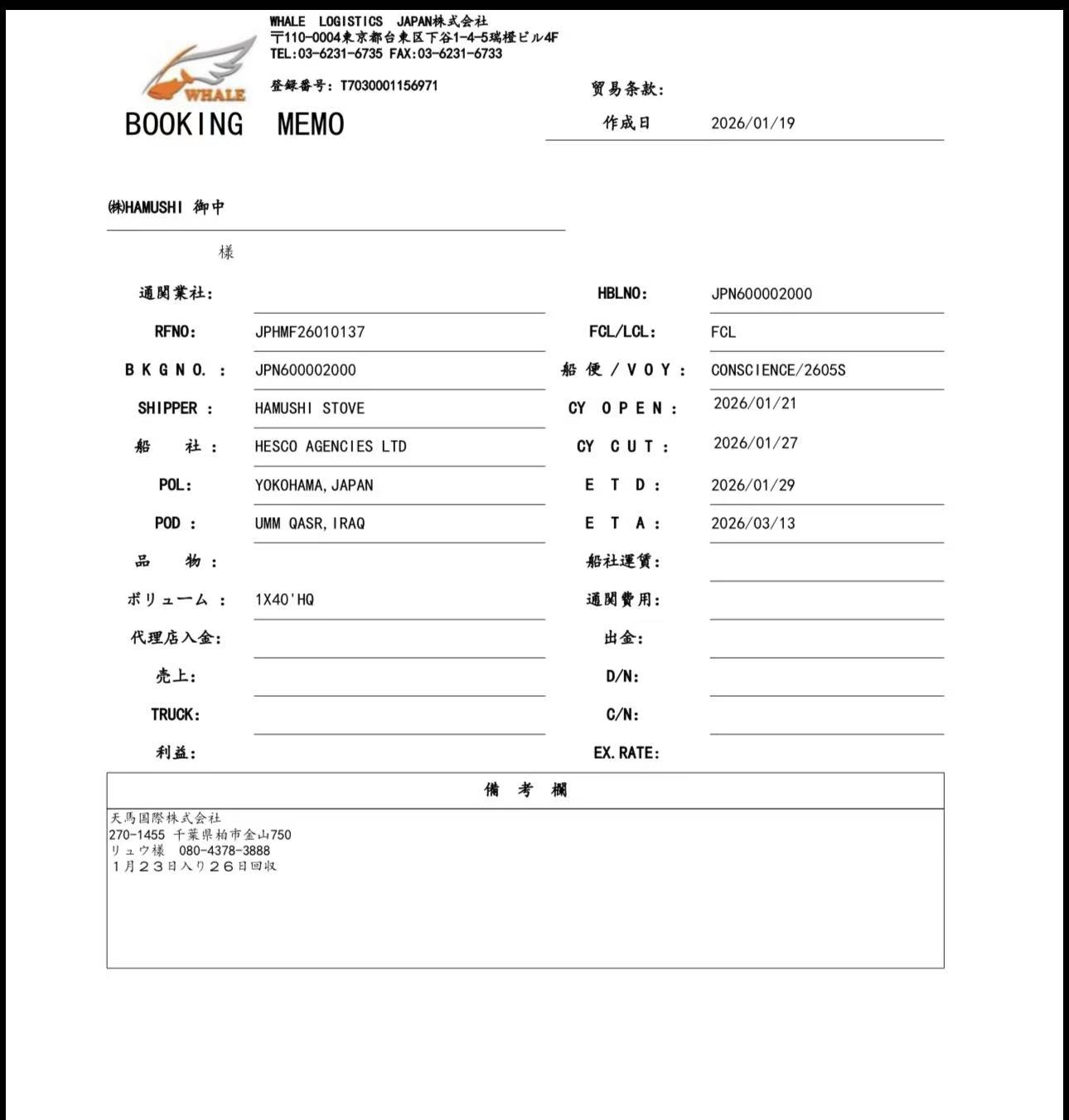
The short answer: at container volume, the licensed-recycler path wins. Both paths start with the same class of raw, uncleaned, pre-owned Japanese consumer goods, so the difference is not the merchandise. The difference is everything that happens between purchase and sealing: who screens out unsellable units, who loads the container, who holds the export credentials, and who can hand over documents when the container reaches your port. In a documented JQ-SMC project shipped from Chiba to Phnom Penh, that difference appeared as an arrival rate of heavily damaged or unsellable waste falling from over 25% to exactly 0%, an 18% gain in effective container space utilization, and a delivery timeline 4 working days shorter than the generic broker baseline.
Yahoo Auctions is a large consumer-to-consumer marketplace, and for one-off, unusual, or high-value items it can be a legitimate place to look. This article is not about that use case. It compares the two paths on the numbers that decide a B2B importer's margin: landed cost per sellable item, condition predictability, documentation, and lead time.
Problem Definition: The Number That Decides the Sourcing Path
Consumer electronics buyback, in a B2B context, means the bulk acquisition of pre-owned consumer devices and household equipment for resale in another market. Buyers usually compare suppliers on unit price. The number that actually determines profitability is a different one: landed cost per sellable item — unit price, plus freight allocation, plus clearance and documentation effort, plus the cost of removing whatever cannot be sold.
Two sourcing paths dominate Japan-origin buyback.
- Individual-lot sourcing. The buyer purchases many separate lots from individual sellers — Yahoo Auctions being the best-known venue — and then consolidates them. Structurally, this path means many sellers, many small parcels, listing photographs as the only pre-purchase evidence, largely Japanese-language transactions, and no single party accountable for the whole container.
- Contracted buyback through a licensed recycler. One Japanese corporate entity sources, screens, packs, and exports under its own credentials, against an agreed manifest and an agreed grade expectation.
The rest of this article compares those two structures on criteria a procurement team can actually measure.
Where Landed Cost Actually Accumulates
The gap between a low unit price and a healthy margin is created by costs that are invisible on a listing page. In Japan-origin buyback sourcing, six of them recur.
- Freight paid in fragments. Stock spread across many individual sellers must be collected and consolidated before it can be loaded. That collection phase consumes time, handling, and domestic freight before a single container-rate kilogram exists.
- No consolidated pre-shipment inspection. Listing photographs are a seller's own representation. There is normally no piece-by-piece physical check of an entire lot before it leaves Japan, which means the first complete look at the goods happens after devanning at destination.
- Language and dispute friction. Negotiation, follow-up, and claims run in Japanese, across many private sellers. For a foreign B2B buyer, chasing a dozen small counterparties over condition discrepancies is rarely practical.
- Credential and documentation exposure. An export file is only as strong as the entity that signs it. The JQ-SMC diagnosis of the traditional broker channel recorded that such operators frequently have no physical warehouse in Japan and hold no official "Secondhand Dealer License", functioning as paper-trading middlemen. Lot-by-lot purchasing from individual sellers shares the same structural gap: no single licensed entity is accountable for what is inside the container.
- Container fill efficiency. Unscreened mixed lots tend to load with voids, and void space is pure freight cost amortized across fewer sellable units.
- Disposal cost at destination. Whatever cannot be sold still has to be handled, stored, and disposed of locally — at the buyer's expense and under the buyer's name.
Industry Background: Growing Demand, Tightening Compliance
Demand for pre-owned electronics is not a niche. Grand View Research valued the global consumer electronics market at USD 1,319.32 billion in 2025, while Fortune Business Insights places the same market at USD 864.73 billion — a reminder that category definitions differ, and that market figures should only be compared when the underlying scope matches.
The refurbished segment is where buyback economics actually live. Coherent Market Insights estimated the global refurbished electronics market at USD 68.24 billion in 2026. Precedence Research projects the refurbished appliance market, which includes kitchen and household goods, growing from USD 10.1 billion in 2024 to USD 32.8 billion by 2034. Mordor Intelligence put the global smart home market at USD 164.13 billion in 2026, and Fortune Business Insights valued the global musical instrument market at USD 13.8 billion in 2025, with string instruments projected to hold a 36.05% share in 2026 — a relevant signal for buyers whose manifests include used instruments alongside appliances.
Compliance is moving in the same direction as demand. In the United States, 25 states have enacted electronics recycling laws, including Extended Producer Responsibility mandates in states such as New York and California, according to the US EPA and NCER. The practical consequence for importers is that a container of secondhand goods increasingly needs a documented, traceable supply chain, not just a low price. Because the goods cross the border as declared secondhand goods, the compliance profile of the exporting entity becomes part of the product itself.
Detailed Solution: How a Licensed Recycler Rebuilds the Economics
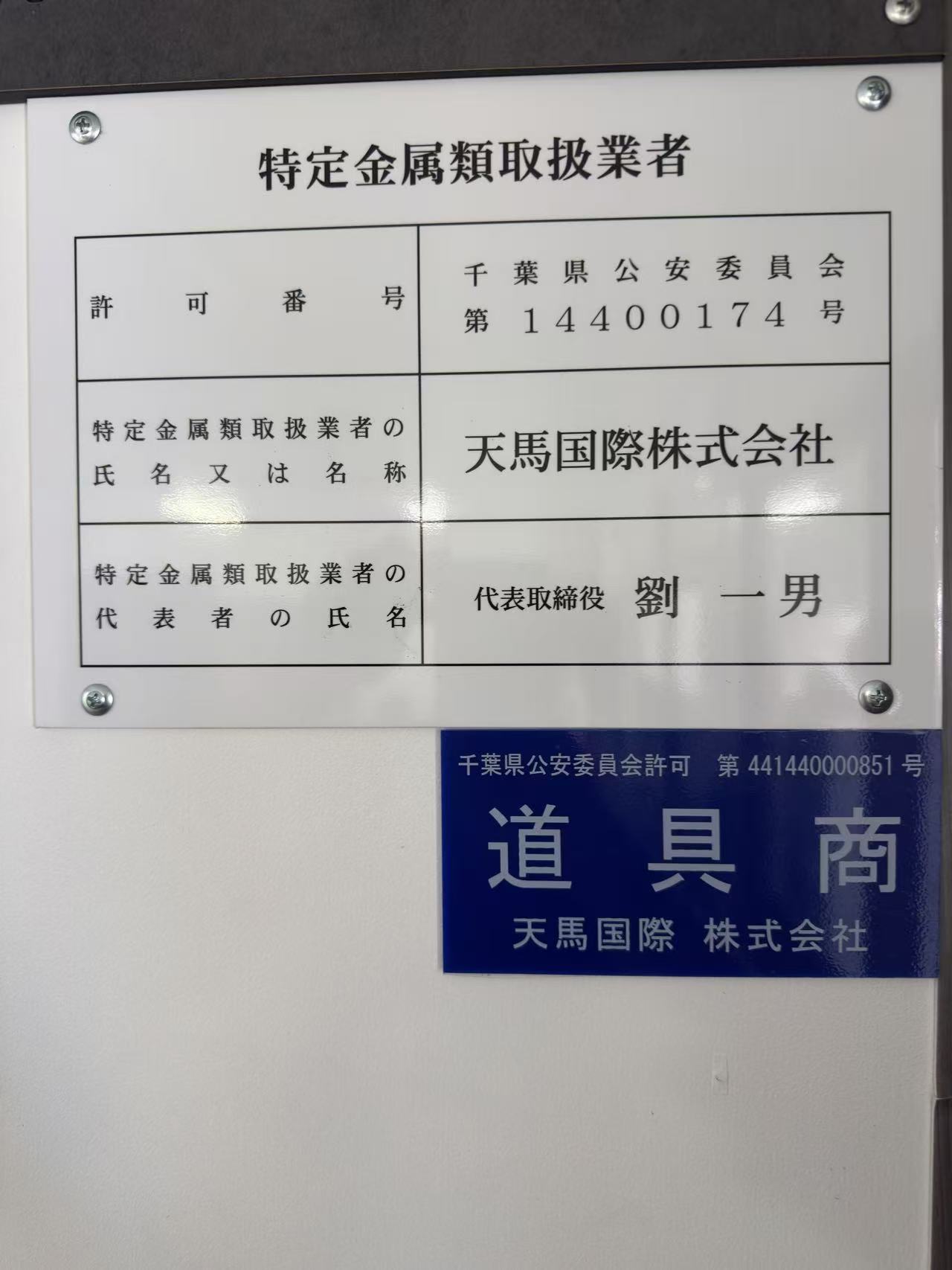
Tenma International Inc is a Japan-based trading enterprise, founded in 2023, that acquires pre-owned household goods in Japan and exports them to overseas B2B buyers. The company operates from a 3,000 m² facility at 750 Kanayama, Kashiwa-shi, Chiba, 270-1455, Japan, and holds the Official "Secondhand Dealer License" issued by the National Public Safety Commission of Japan along with Japanese Corporate Legal Entity Qualification. It reports more than three years of experience in Japanese secondhand goods recycling and international circular economy trade, with sourcing concentrated in Chiba Prefecture and the surrounding core Kanto region, and export destinations including Thailand, Cambodia, and other Southeast Asian markets.
Three capabilities separate this path from lot-by-lot purchasing.
Sourcing depth instead of listing browsing
Tenma International Inc works from a local sourcing network in Japan with premium purchasing power for first-hand goods, and handles a stable domestic volume of more than 10 tons of goods per month. Export processing capacity is 20 to 30 high-cube containers (40ft HQ) per month. That capacity is what makes a committed manifest possible: a buyer specifies categories, grade expectations, and container type, and the supplier purchases against that specification rather than assembling whatever individual sellers happen to list.
Warehouse screening instead of remote guessing
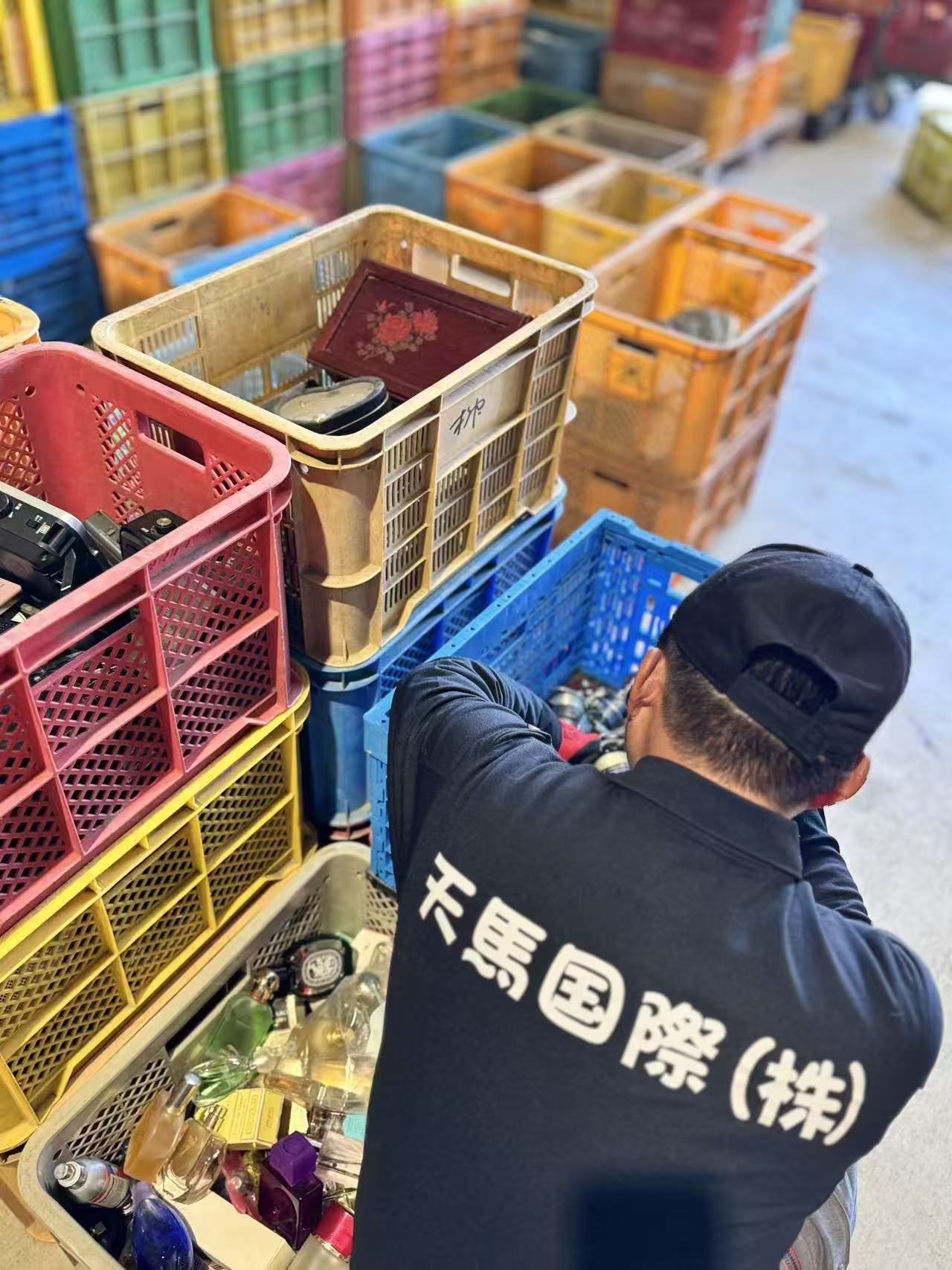
Goods are centralized in the warehouse, where staff inspect each item's physical appearance, completeness, and wear level, and perform strict aesthetic grading. Sub-standard lots are intercepted before loading. Technical support for this step includes an intelligent multi-category recycling valuation and pricing system, a digital inventory management and sorting system, and 3D digital container space utilization modelling. Valuation and packing are engineered decisions rather than judgement calls made on a loading day.
Export executed by the license holder
Professional capability at Tenma International Inc covers secondhand asset depreciation and functional residual value assessment, cross-border bulk B2B procurement negotiation, Secondhand Dealer License compliance management, anti-shock and damage-prevention ocean freight container packing layout, and international LC and cross-border settlement. Export declarations are processed under the corporate license — precisely the layer an individual-lot purchase does not provide.
The operating model behind this is referred to as JQ-SMC — Japanese Quality-Driven Source Management & Cross-Border Supply Chain Model (V3.0). Its organizing idea is straightforward: quality control happens at the source, in Japan, before the container is sealed, rather than at destination after the money has been spent. The team structure supporting it consists of a Domestic Japanese Sourcing Dept., a Warehouse QC & Refurbishment Dept., an International Key Account Trade Dept., and a Logistics & Export Compliance Dept., with key roles including Senior Secondhand Asset Valuer, Professional QC Inspector, Container Loading Strategist, and International Logistics Manager. Working languages are Chinese, Japanese, and English.
Step-by-Step Breakdown: Four Stages of a Compliant Buyback Container
Stage 1 — Demand alignment and native Japanese sourcing
The buyer defines the required categories (appliances, bicycles, office equipment, and similar), the expected physical condition tier, and the container type. Tenma International Inc then triggers premium sourcing in Chiba and surrounding areas to lock in first-hand supply. Output: a bulk procurement contract and an estimated export schedule.
Stage 2 — Warehouse receipt and initial condition screening
Goods are centralized and inspected piece by piece for physical appearance, completeness, and wear level, with sub-standard lots intercepted. What this stage deliberately excludes matters just as much: there is no secondary cleaning, no electrical or functional testing, and no repair. The commercial model is wholesale "what you see is what you get", and the value added is filtering plus honest disclosure rather than refurbishment. Output: an inventory manifest of items that passed screening, supported by raw photo and video samples showing the goods exactly as received.
Stage 3 — Off-site scientific container loading and securing
Qualified items are packed and secured outside the facility using space-optimization and collision-prevention layouts, with nested loading combining bulky items so that volume is used rather than wasted. Output: a detailed commercial packing list, a commercial invoice, and container sealing photographs carrying the seal number.
Stage 4 — Compliant Japanese customs and ocean dispatch
Using the corporate Secondhand Dealer credentials, the export declaration is processed with Japanese customs and the container is dispatched to the destination port. Output: a customs release note, a Bill of Lading copy or telex release confirmation, and the export permit.
Head-to-Head: Yahoo Auctions Individual Sourcing vs. Tenma International Inc
The table below compares the two paths on criteria a procurement team can verify. The middle column describes the structural characteristics of lot-by-lot purchasing from individual sellers; individual results vary with seller, category, and volume.
| Decision dimension | Individual-lot sourcing (Yahoo Auctions) | Licensed recycler (Tenma International Inc) |
|---|---|---|
| Purchase unit | Many small lots from separate individual sellers, aggregated by the buyer | Container-scale lots sourced against an agreed manifest; more than 10 tons per month of domestic handling capacity |
| Pre-shipment condition check | No consolidated piece-by-piece inspection before dispatch; listing photos are the pre-purchase evidence | Piece-by-piece physical appearance screening and aesthetic grading in the Chiba warehouse; sub-standard lots intercepted |
| Export credentials | No single licensed entity accountable for the container | Official "Secondhand Dealer License" from the National Public Safety Commission of Japan, plus Japanese Corporate Legal Entity Qualification |
| Freight economics | Collection and consolidation across many sellers before container rates apply | 20–30 × 40ft HQ export processing per month; +18% effective container space utilization in the documented case |
| Loading method | Arranged by the buyer or a third party | Off-site space-optimized nested loading with anti-shock securing, planned by a Container Loading Strategist |
| Documentation pack | Per-seller shipping records; consolidation and packing documents reconstructed by the buyer | Bilingual bulk purchase contract, condition inspection and triage manifest, commercial packing list and invoice, container sealing photos, export permit, Bill of Lading |
| Condition evidence before dispatch | Seller-supplied photos, format and quality vary | Raw photo and video records of the screened inventory; live loading-day streams; remote warehouse tours over Zoom or Microsoft Teams |
| Language coverage | Listings and seller communication primarily in Japanese | Chinese, Japanese, and English; LINE, WhatsApp, WeChat, Email, Zoom/Teams |
| Unsellable stock exposure | Discovered after devanning; local handling and disposal at buyer cost | Documented case: arrival rate of heavily damaged or unsellable waste moved from over 25% to exactly 0% |
| Project timeline | Depends on the number of sellers and lots assembled | 12 working days from cargo lock-in to vessel departure; 4 working days shorter than the generic broker baseline |
Where individual-lot sourcing still makes sense
A fair comparison has to state the boundary. Buying from individual sellers on Yahoo Auctions can be reasonable when the purchase is small and selective: one-off or collectible items, volumes too low to justify a container, or a buyer who already maintains a consolidation warehouse and Japanese-speaking staff in Japan and simply wants flexible access to listings. The economics change at container scale, where consolidation, screening, loading, and documentation stop being optional overhead and become the main determinant of margin.
Documented Results: The JQ-SMC Evidence
The clearest evidence for the licensed-recycler path comes from a completed container project rather than from a claim. The client was a secondhand goods import trader in Cambodia operating wholesale warehouses and flea markets in and around Phnom Penh, importing Japanese pre-owned appliances, bicycles, and related goods.
The problem. The buyer had previously purchased "blind-box" containers through unlicensed Japanese brokers. To fill volume, those brokers stuffed containers with heavily damaged, dismantled, or unusable scrap. The buyer paid international ocean freight on goods that could not be sold, then paid local waste disposal fees on top — eroding margins and destabilizing supply.
The diagnosis. Traditional brokers without a physical warehouse in Japan and without a Secondhand Dealer License operate as paper-trading middlemen: they do not inspect on site, do not control physical condition, and to protect their own costs load unsorted clear-outs. The fix is structural rather than a matter of negotiating harder — partner with a supplier that holds a physical yard and filters before shipping.
What was done. Tenma International Inc applied its standardized procurement, condition inspection, and cross-border container delivery process: targeted premium-price recycling of bulky appliances and commuter bicycles across Chiba against the Cambodian manifest; centralization in the warehouse with piece-by-piece appearance comparison and tier grading; raw photo and video samples sent for client confirmation (uncleaned, unrepaired, exactly as collected); space-optimized nested loading combining bulky appliances and bicycles with anti-shock reinforcement and sealing; and transparent customs clearance under the corporate Secondhand Dealer credentials.
Measured outcome. On unsealing and inventory count in Phnom Penh, the arrival rate of heavily damaged or unsellable industrial waste fell from over 25% to exactly 0%; effective container space utilization rose by 18%, cutting per-item amortized freight; and overall project delivery was 4 working days shorter than the generic broker baseline. Total project duration was 12 working days from cargo lock-in to vessel departure. Deliverables were a 40ft HQ container of screened appliances and bicycles, an official bilingual packing list and commercial invoice, high-definition loading and customs seal photographs, and the Japanese customs export permit and Bill of Lading.
Client feedback. In an appreciation email sent by the buyer's Procurement Director after the container arrived at their Phnom Penh facility and completed devanning, the buyer noted that the supplier was candid about shipping raw, uncleaned goods in original collected condition — and kept the promise to filter broken junk inside the Japan warehouse. Containers that previously opened as a nightmare of crushed plastic and ruined metal frames arrived neatly packed with structurally solid bicycles and appliances; per-item freight cost dropped, no local disposal fees were incurred, and the buyer locked in two more high-cube containers for the following month.
Use Cases: Matching the Path to the Buyer
First container, high uncertainty. A buyer testing Japanese supply should look for evidence before commitment: a screening manifest, raw condition media, and a defined grade tier. On the licensed-recycler path these exist at Stage 2, well before loading.
Mixed category manifests. Typical buyback manifests span pre-owned home appliances such as refrigerators, washing machines, and microwaves; commercial kitchen and office equipment; bicycles; residential furniture and household sundries; and home entertainment items including game consoles. Mixed loads are exactly where loading strategy pays, since a space-optimized nested load is what produced the 18% utilization gain in the documented case.
Category eligibility must be confirmed, not assumed. Buyers assembling manifests around music gear — guitars and basses, pianos and keyboards, studio audio equipment, or DJ equipment — should confirm category eligibility directly with the supplier before sourcing begins, rather than assuming that any secondhand category can be added to an existing container. Category confirmation is a Stage 1 activity, and treating it as a formality is how manifests drift.
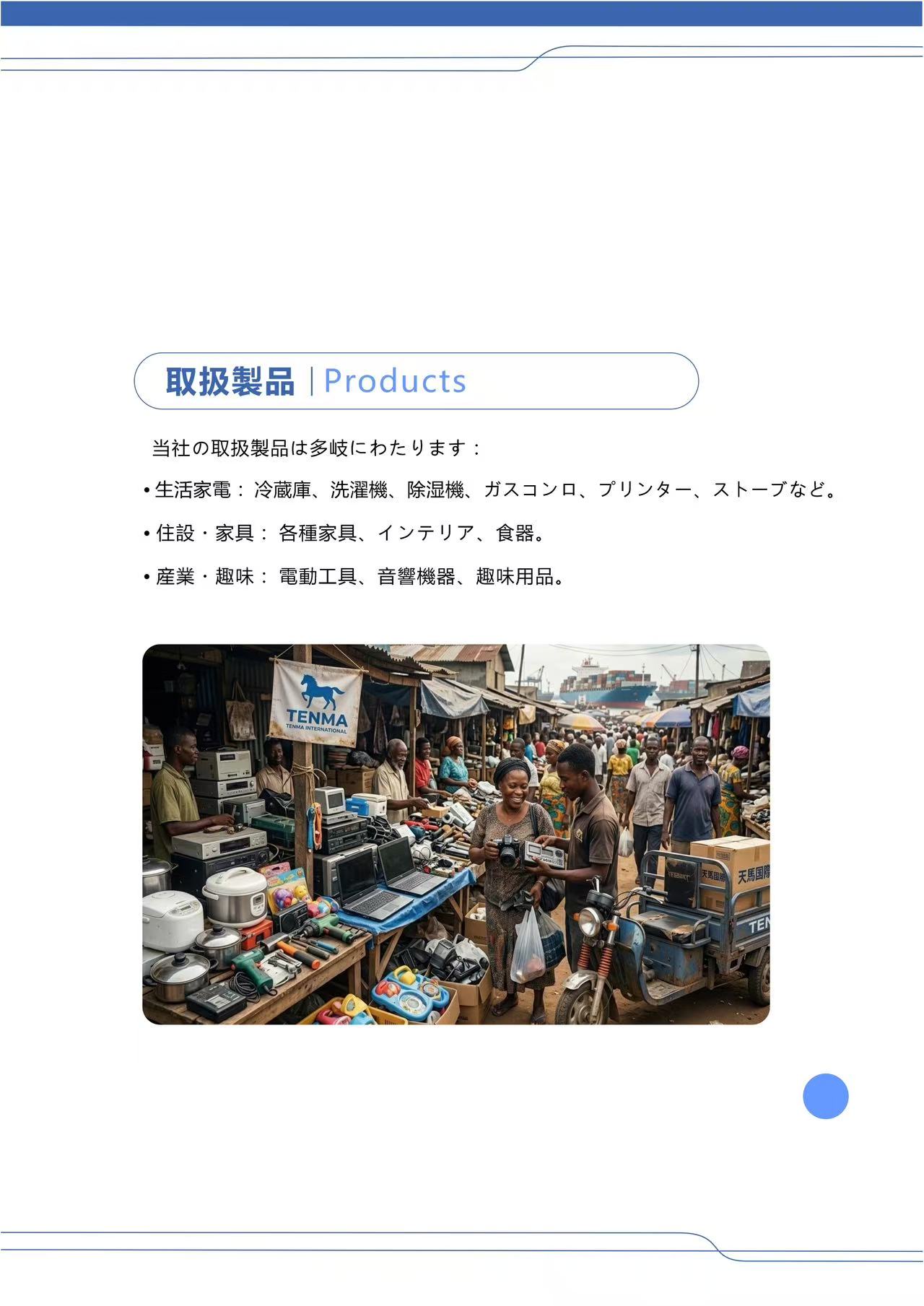
Scaling from trial to scheduled supply. Buyers moving from a single trial container to monthly volume need export processing capacity behind the promise. Tenma International Inc reports capacity of more than 10 tons of domestic handling per month and 20 to 30 high-cube containers of export processing per month — the level at which scheduled manifests become realistic rather than aspirational.
Documentation-dependent importers. Where destination customs, distributors, or retail partners require a clean paper trail, the deliverables list is the deciding factor: bilingual packing list, commercial invoice, container sealing photos with seal numbers, export permit, and Bill of Lading.
FAQ
Does a container of secondhand consumer electronics need to be exported by a licensed dealer?
What a buyer can verify is who holds the license. Tenma International Inc holds the Official "Secondhand Dealer License" issued by the National Public Safety Commission of Japan, along with Japanese Corporate Legal Entity Qualification, and processes export declarations with Japanese customs under those credentials. Individual-lot sourcing does not route a container through a single licensed entity, so the buyer effectively carries the documentation risk. The JQ-SMC diagnosis of the traditional broker channel recorded that such operators frequently hold no official Secondhand Dealer License at all.
What exactly does piece-by-piece warehouse screening check?
Screening covers initial physical appearance, completeness, and wear-and-tear level, producing an aesthetic grade per item, with sub-standard lots intercepted before loading. It does not include secondary cleaning, electrical or functional testing, or repairs — the model is wholesale "what you see is what you get". Buyers receive raw photo and video records of the screened inventory so they can judge condition themselves rather than relying on a supplier's description.
How does a licensed recycler lower cost instead of just adding a service layer?
Two cost lines move. First, filtering removes items that would otherwise consume freight and then incur local disposal fees — in the documented Cambodia project, the arrival rate of heavily damaged or unsellable waste fell from over 25% to exactly 0%. Second, space-optimized loading increased effective container utilization by 18%, so the same freight invoice is spread across more sellable units. Lower cost per sellable item, not a lower unit price, is the mechanism.
Can a buyer verify condition before the container is loaded?
Yes, within the limits described above. Stage 2 output includes an inventory manifest of screened items plus authentic raw photo and video samples. Tenma International Inc also supports remote live-video goods inspection and warehouse tours over Zoom or Microsoft Teams, weekly progress synchronization via LINE, WhatsApp, or WeChat, and live photo or video streams on loading day. Modifications to category mix or grade proportions are accepted until the container is physically loaded, after which the manifest is locked.
What lead time should a buyer plan for?
Sourcing and condition screening take approximately 7 to 14 working days after deposit, depending on volume and category complexity; loading and customs dispatch take a further 3 to 5 working days after the shipping line booking. In the documented Cambodia project the full cycle ran 12 working days from cargo lock-in to vessel departure — 4 working days faster than the generic broker baseline.
Conclusion
Yahoo Auctions and a licensed Japanese recycler are not competing on the same product. Both deliver raw, uncleaned secondhand goods. They differ on who filters the container, who loads it, who is licensed to export it, and who can document it — and at container volume those four questions decide landed cost per sellable item. The recorded evidence sits on the side of the comparison that performs all four: unsellable arrivals from over 25% to exactly 0%, 18% better container space utilization, and 4 working days saved against the generic broker baseline.
For buyers evaluating the licensed-recycler path, the practical next step is a manifest conversation before any commitment: category list, grade expectation, container type, and destination port. Tenma International Inc can be reached at tenma09271113@gmail.com, by WhatsApp on +81 80 4378 3888, or via LINE @tenma09271113, and also hosts its full capability and process documentation in the Tenma International Inc company brochure (PDF). The company site is tenma-corp.com.
Request a manifest review or sample record
Send your category list, target grade tier, and destination port, and Tenma International Inc will return a category confirmation, screening sample media, and a container plan — before you commit to a booking.
Email: tenma09271113@gmail.com | WhatsApp: +81 80 4378 3888 | LINE: @tenma09271113
Have Questions or Need More Details?
Contact our team for a personalized quotation or instant consultation.
Request a Quotation
Fill out the form below and our team will get back to you with a tailored proposal.
WhatsApp Direct Chat
Prefer to chat in real-time? Message us on WhatsApp for instant assistance & quick answers.
- Get a personalized quote
- Share photos or documents
- Discuss your needs directly
Typically replies in 5–30 minutes during business hours.