Consumer Electronics Buyback from Japan: Long-Term Partnership, QA & After-Sales FAQ
Consumer Electronics Buyback from Japan: Long-Term Partnership, QA & After-Sales FAQ
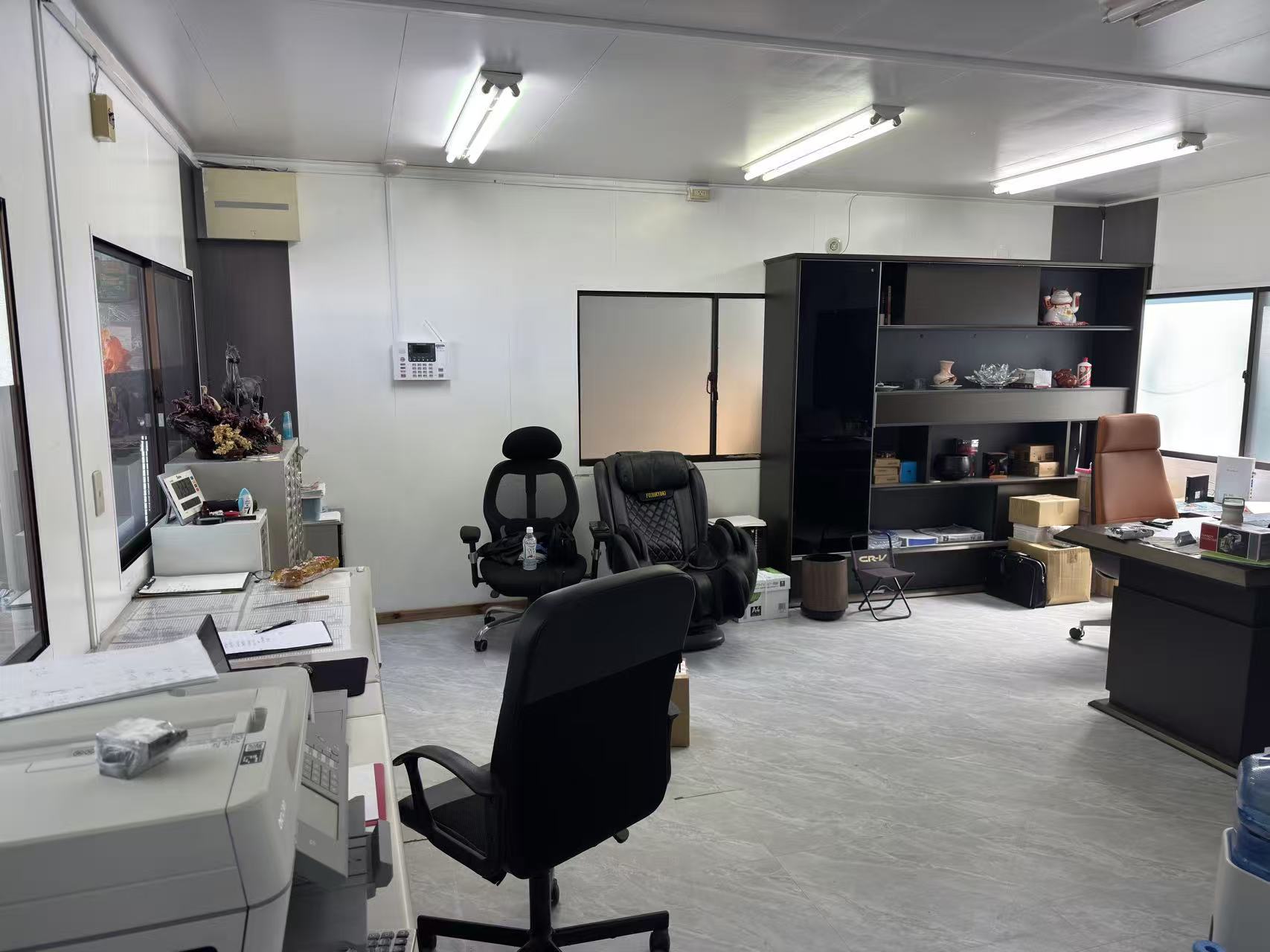
Tenma International Inc coordinates buyback sourcing, warehouse screening and export from its base in Chiba, Japan.
Short answer: a long-term consumer electronics buyback partnership with a Japan-based exporter is workable when three conditions are fixed in writing before the first deposit — the seller holds a Japanese Secondhand Dealer License, every item is screened inside a physical warehouse before the container is sealed, and after-sales rules are agreed in advance rather than negotiated after the first dispute.
This FAQ answers the questions B2B importers actually raise when they move from one-off container purchases to a standing buyback relationship. It follows the operating model of Tenma International Inc, a Japan-based trading enterprise founded in 2023 that works as an asset-holding recycler under an official Japanese Secondhand Dealer License, sourcing pre-owned household appliances and related goods in Chiba and shipping to markets such as Cambodia, Pakistan and Thailand.
Problem Definition: Why Buyback Partnerships Fail After the First Container
Most first containers are won on price and lost on operations. The complaints that end Japanese buyback relationships are rarely about the unit price of a refrigerator or a washing machine. They are about what was inside the container, who answered the phone after departure, and what paperwork arrived with the vessel.
- No physical facility behind the seller. Paper-trading middlemen load whatever was cleared out of a waste firm, because there is no warehouse in Japan where an inspection could take place.
- No named contact after payment. The buyer wires a deposit and then deals with a rotating inbox, with no visibility on screening progress or loading dates.
- Incomplete documentation. A container that arrives without a consistent packing list and invoice set creates clearance delays and demurrage at destination.
- No revision rule. When an item turns out to be wrong for the market, both sides discover that nothing was agreed on how changes are handled before sealing.
None of these gaps can be closed by negotiating a lower price. They are closed by structure: who holds the goods, who inspects them, who signs the export declaration, and who reports progress.
Industry Background: Where the Japanese Buyback Stream Stands in 2026
Fortune Business Insights projects the global consumer electronics market to reach USD 922.66 billion in 2026, and its commercial research places the buyback segment at an estimated USD 68.24 billion in the same year. Those figures describe a large, structured resale economy — but they say nothing about the quality of any single container, which is where importer risk actually sits.
Japanese supply has two characteristics that shape partnership design. First, it is fragmented: goods are collected household by household across regions such as Chiba and the wider Kanto area, so condition varies item by item rather than lot by lot. Second, it is regulated: dealing in used goods in Japan requires a Secondhand Dealer License issued under the National Public Safety Commission framework, and that license is what allows a company to process legitimate export declarations for secondhand goods.
A licensed recycler and a broker can quote the same container. Only one of them can show a license, a warehouse, and an inspection record. For buyers, that distinction is the whole point of a long-term relationship — screening is the only stage where defective goods can be removed cheaply, because once a container leaves Japan, every defective item has already consumed ocean freight.
Data-bearing devices add a second layer. Game consoles and connected appliances carry storage and user data, and buyers increasingly reference media-sanitization standards such as NIST SP 800-88 Revision 2, published in September 2025, when they define intake requirements in their own markets.
Detailed Solution: How the JQ-SMC Model Structures a Partnership
The operating framework behind this model is JQ-SMC — Japanese Quality-Driven Source Management & Cross-Border Supply Chain Model (V3.0). It treats a buyback relationship as a four-stage pipeline with defined inputs, defined deliverables, and defined control points, rather than as a single purchase order.
1. Source control at the origin
Sourcing is not a blind auction. Tenma International Inc collects in Chiba and surrounding areas through its domestic sourcing department, and its stated differentiation is buying premium items at premium prices at the collection end — which is what fixes product condition before the warehouse stage begins. The company reports a stable domestic collection and handling capacity of over 10 tons of goods per month in Japan.
2. Piece-by-piece screening inside the warehouse
Goods are centralized in the company warehouse, where staff inspect each item's initial physical appearance, completeness, and wear-and-tear levels to perform strict aesthetic grading. Shattered, loose, or heavily decayed items are blocked inside Japan. The output is an Initial Condition Inspection & Triage Manifest — a document that tells the buyer what was accepted and what was rejected, before anything is loaded.
3. Managed export and capacity
The commercial model is direct source supply without broker layers, with export processing capacity stated at 20–30 40-foot high-cube containers per month. Container loading is planned outside the facility using space-optimized nested layouts, anti-shock reinforcing, and sealing, then released on FOB (Japanese port) or CFR/CIF (destination port) terms.
4. Account coverage, reporting and revision rules
Partnership quality depends on who is on the other side of the message. Tenma International Inc organizes this through an International Key Account Trade Department that owns overseas B2B client relationships, working alongside a Logistics & Export Compliance Department that owns container loading, Japanese customs and shipping bookings. Behind the goods sit a senior secondhand asset valuer and a professional QC inspector.
- Dedicated account coverage: each import account is handled by the key-account trade team rather than a general sales inbox.
- Reporting channel: progress is reported on the channel the buyer already uses — LINE, WhatsApp, WeChat, or email — and live video warehouse tours are supported over Zoom or Microsoft Teams.
- Languages: Chinese, Japanese and English.
- Revision rule: item-level changes are resolved during the manifest and media review stage. Buyers receive raw photo and video samples of the screened inventory for online confirmation before loading, and once the container is sealed and the export declaration is lodged with Japanese customs under the Secondhand Dealer License, the manifest is final.
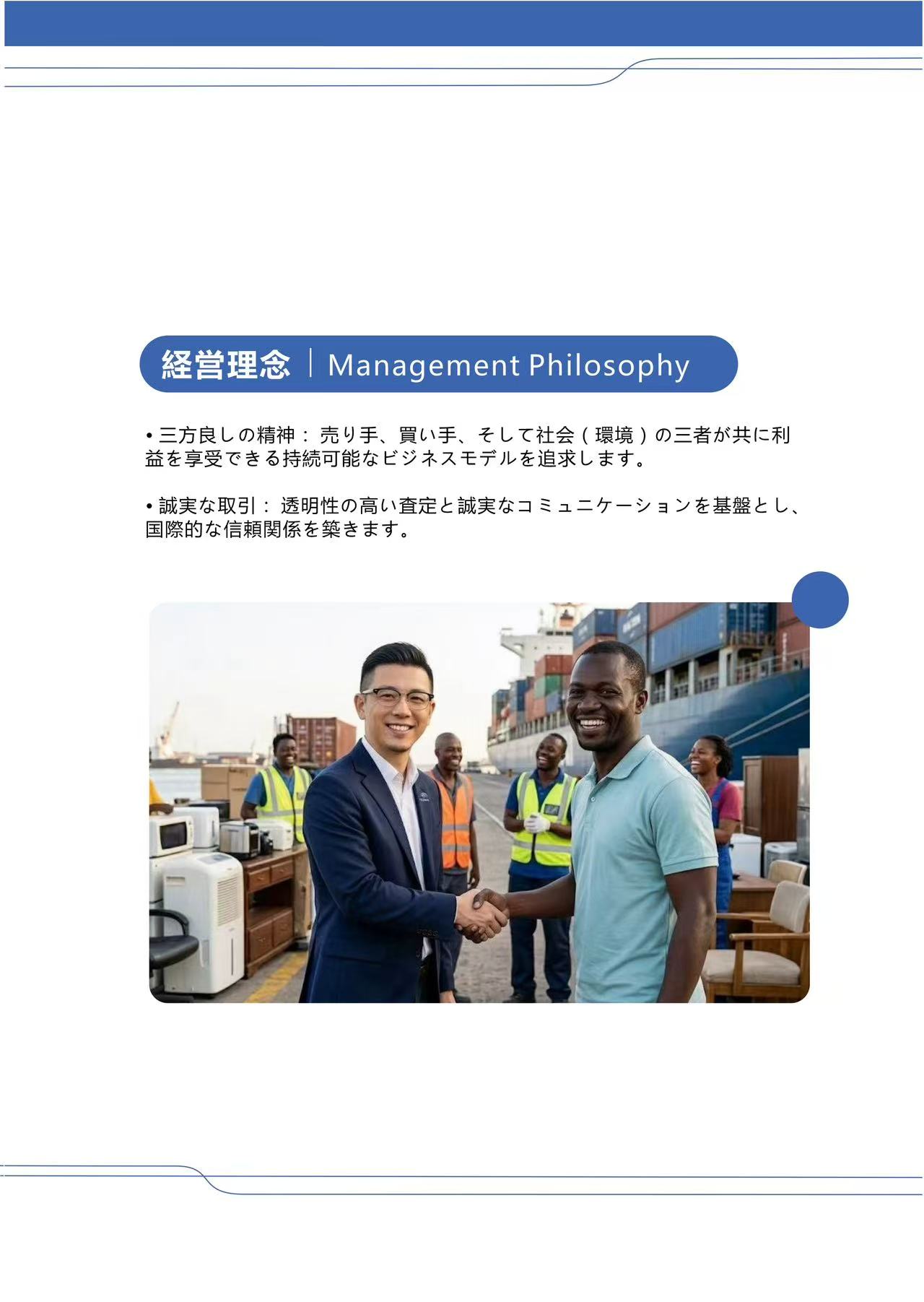
Long-term buyback terms are set before sourcing starts, not after the container arrives.
5. After-sales quality assurance
After-sales in this trade is not a warranty hotline. It is the ability to prove, after unsealing, that what was promised in Japan is what arrived. In a documented Cambodian project, the shipment was assembled so that the arrival rate of heavily damaged or unsellable industrial waste fell from over 25% to 0%. Container space utilization rose by 18%, and the overall project timeline was cut by 4 working days compared with generic brokers. The company's stated service objectives are an on-time container departure rate above 95% and a 15–20% improvement in buyer retail margins versus sourcing through secondary brokers.
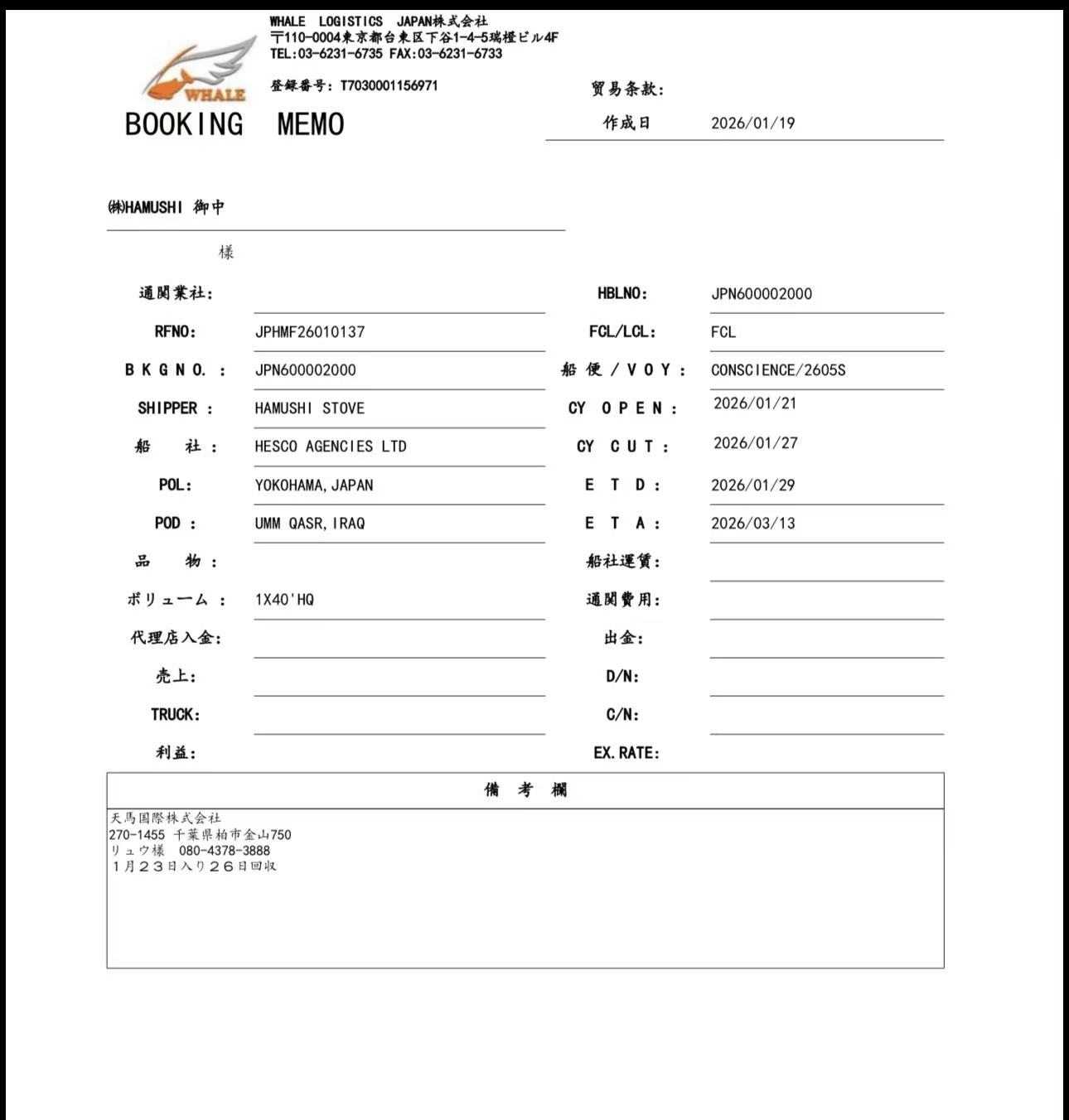
Every shipment carries a document trail: booking memo, bilingual packing list, commercial invoice, seal photos and the Bill of Lading.
Step-by-Step Breakdown: Deposit to Departure
The timeline is fixed enough to plan against. Inspection and container loading are completed inside the warehouse within 7–14 working days of deposit receipt, depending on category mix and volume, followed by Japanese customs clearance and vessel departure.
| Stage | What happens | Deliverable | Buyer control point |
|---|---|---|---|
| Stage 1 — Scope and procurement | The buyer's required categories, expected physical condition tiers and container type (for example 40ft HQ) are defined, then premium sourcing is triggered in Chiba and surrounding areas. | Official bulk procurement contract and estimated export scheduling. | Approve the procurement manifest before sourcing starts. |
| Stage 2 — In-warehouse condition screening | Goods are centralized in the warehouse; staff inspect each item's initial physical appearance, completeness and wear-and-tear to perform strict aesthetic grading. | Initial Condition Inspection & Triage Manifest. | Review raw photo and video samples of the screened inventory. |
| Stage 3 — Loading and sealing | Space-optimized nested loading outside the facility, with anti-shock reinforcing applied to bulky appliances. | High-definition container loading photos and customs seal photos. | Confirm loading media before the vessel departs. |
| Stage 4 — Export declaration | Export declarations are processed with Japanese customs using the official Secondhand Dealer License corporate credentials. | Japanese customs Export Permit, bilingual packing list, commercial invoice and Bill of Lading. | Keep the document set for destination clearance. |
Use Cases: Three Situations Where This Model Matters
Case 1 — A Cambodian wholesale importer replacing a blind-box supplier
A leading secondhand goods trader operating wholesale warehouses and flea markets in Phnom Penh had been buying blind-box containers through generic, unlicensed Japanese brokers. To fill volume, those brokers stuffed containers with heavily damaged, dismantled or entirely unusable material, so the buyer paid international ocean freight on scrap and then paid local waste disposal fees on arrival.
The replacement project ran 12 working days from cargo lock-in to vessel departure: targeted premium-price collection across Chiba, piece-by-piece aesthetic inspection in the warehouse verifying shell integrity and structural completeness, raw photo and video confirmation for the buyer, space-optimized nested loading of appliances and bicycles, and transparent customs clearance using the Secondhand Dealer License. On unsealing in Phnom Penh, unsellable waste had fallen from over 25% to 0%, space utilization was 18% higher, and the buyer committed to a further two high-cube containers.
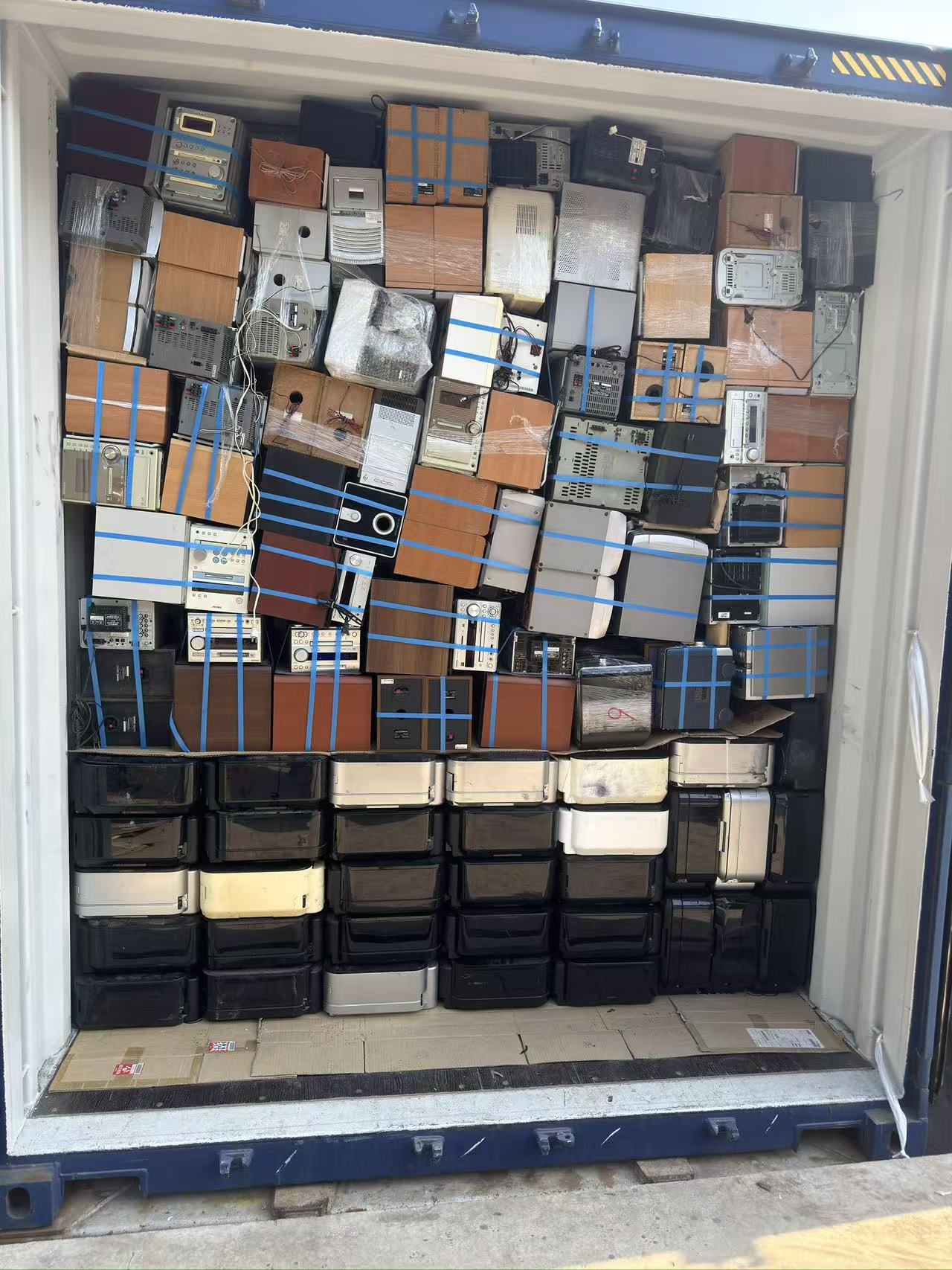
Loading for Cambodia: only items that passed the warehouse appearance check enter the container.
Case 2 — A demand surge that needs a fixed departure schedule
When a destination market spikes, buyers need volume without losing the screening step. In this model the surge is handled at Stage 1: the manifest expands, sourcing is triggered across the Kanto region, and the export booking follows the 20–30 containers per month processing capacity rather than an ad-hoc arrangement.
Case 3 — A buyer constrained by distance and language
Importers who cannot visit Japan still need a licensed entity to own export compliance. The service is delivered with Chinese, Japanese and English support, remote live-video goods inspection, and document handling by the Logistics & Export Compliance Department, so the buyer's role reduces to approving the manifest, the media review and the document set.
Scope note on categories: Tenma International Inc's documented supply covers pre-owned household appliances such as refrigerators, washing machines and microwaves, commercial and office kitchen equipment, furniture and home sundries, eco-friendly bicycles, and game consoles and optical instruments. The exact category mix for a standing account — whether household electronics buyback, home entertainment electronics buyback, smart home device buyback, kitchen appliance buyback or used household device buyback — is declared in the Stage 1 procurement manifest and confirmed in writing before sourcing begins. Buyers should confirm any additional stream, including guitars and basses, pianos and keyboards, studio audio equipment, professional music gear or DJ equipment, as part of that manifest stage rather than assuming it is covered.
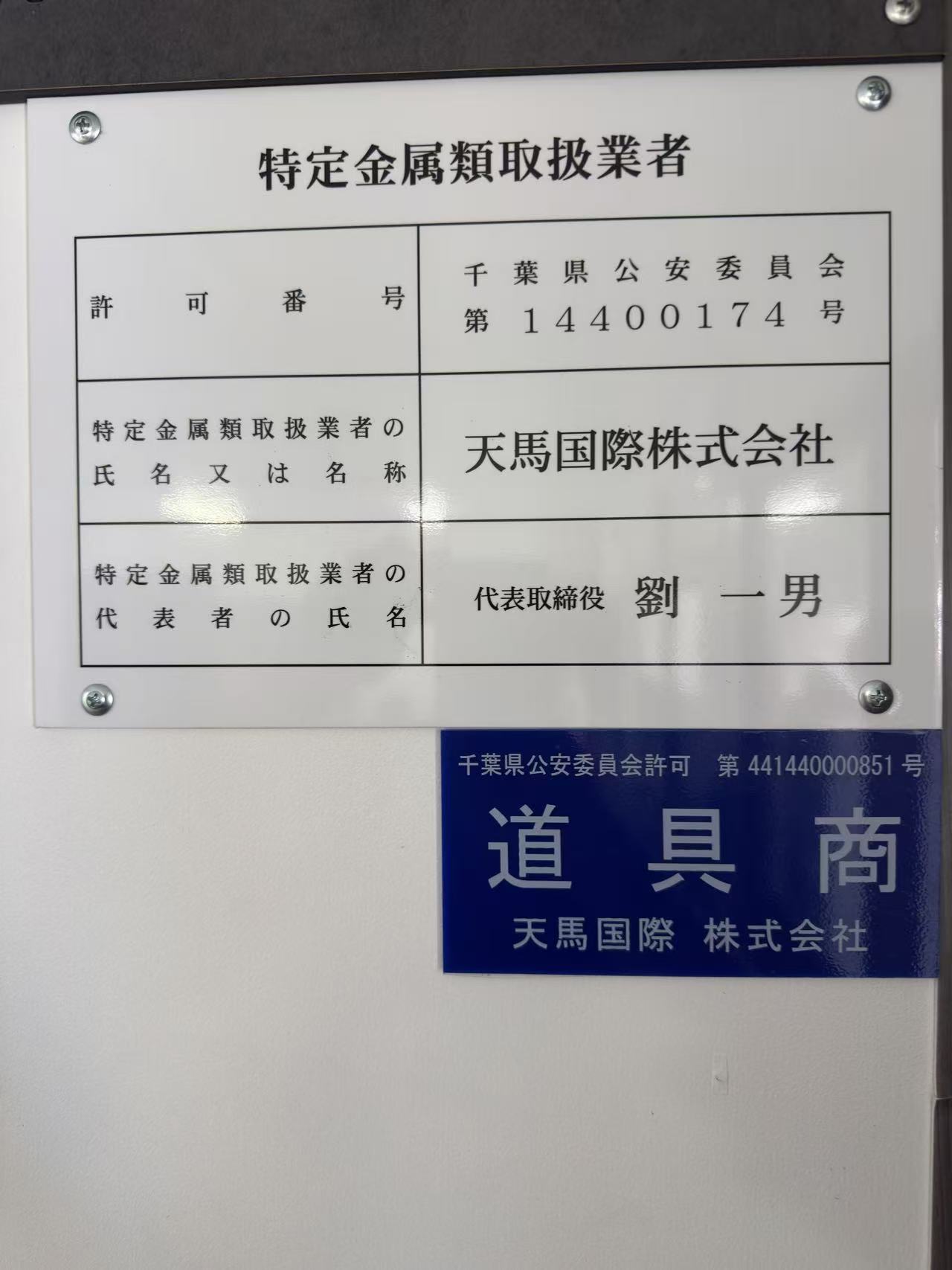
The Secondhand Dealer License is the credential used to lodge legitimate export declarations with Japanese customs.
Comparison Table: Risk, Control and Verified Outcome
The table below maps the four failure points from the problem definition to the control that addresses each one, and to the result documented in the company's own project record or stated service objectives.
| Buyer risk | Control in the model | Verified result or stated objective |
|---|---|---|
| Container arrives full of unsellable scrap | Piece-by-piece aesthetic inspection and triage inside the Chiba warehouse before loading (Stage 2) | Arrival rate of heavily damaged or unsellable waste fell from over 25% to 0% in the documented Cambodian container |
| Freight paid on low-value volume | Space-optimized nested mixed loading with anti-shock reinforcing (Stage 3) | Container space utilization up 18% in the documented project, lowering per-item freight cost |
| Supply chain slippage | Loading completed within 7–14 working days of deposit, followed by managed booking and departure | Stated objective of an on-time container departure rate above 95%; documented project delivered 4 working days faster than generic broker channels |
| Broker markups eroding margin | Direct source supply from an asset-holding recycler with no intermediate broker layer | Stated objective of a 15–20% retail margin improvement versus sourcing through secondary brokers |
| Unverifiable origin and paperwork | Export declarations processed under the official Secondhand Dealer License, with a bilingual document pack | Japanese customs Export Permit, bilingual packing list, commercial invoice, HD loading and seal photos, and Bill of Lading |
| No progress visibility | Key-account trade team reporting through LINE, WhatsApp, WeChat or email, with live video warehouse tours | Supported channel set and languages: Chinese, Japanese and English |
FAQ: Consumer Electronics Buyback Partnership Questions
1. Is Tenma International Inc licensed to export secondhand electronics from Japan?
Yes. Tenma International Inc holds an official Secondhand Dealer License issued by the National Public Safety Commission of Japan, together with Japanese corporate legal entity qualification. Stage 4 of its process uses those corporate credentials to process legitimate export declarations with Japanese customs, and the deliverable set includes the Japanese customs Export Permit and the Bill of Lading. The license does not extend to destination-country import clearance, local tariffs, inland transport after port arrival, or returns caused by changes in the destination country's legal policy.
2. How does piece-by-piece warehouse screening work, and what happens to items that fail?
Goods are centralized in the warehouse and staff inspect each item's initial physical appearance, completeness and wear-and-tear level to perform strict aesthetic grading, recorded in the Initial Condition Inspection & Triage Manifest. Items with shattered, loose or heavily decayed housings are blocked inside Japan and never enter the container. Buyers receive raw photo and video samples of the screened inventory — deliberately uncleaned and unrepaired — so that the condition shown is the condition shipped. Heavy goods such as appliances are additionally reinforced with anti-shock packing during loading.
3. What does the model do to landed cost per item?
Two mechanisms apply. First, direct sourcing from an asset-holding recycler removes intermediate broker markups, and the company's stated objective is a 15–20% improvement in buyer retail margin versus secondary brokers. Second, the 18% space-utilization gain and the reduction of unsellable material to 0% mean freight is spent on sellable goods, and the buyer avoids paying destination-side waste disposal fees on items that should never have been loaded. Container pricing is quoted per procurement manifest rather than published as a fixed price list, because category mix and condition tier determine the load.
4. Can we inspect the goods before the container is sealed?
Yes, at two levels. Documentary sampling comes first: raw photo and video samples of the screened inventory are sent for online confirmation before loading. Live inspection is available through remote live-video goods inspection and warehouse tours over Zoom or Microsoft Teams, and on-site corporate visits are supported as a service channel. High-definition container loading photos and customs seal photos are then issued as the pre-shipment record.
5. What is the lead time, and how are after-sales quality issues handled?
Inspection and container loading are completed inside the warehouse within 7–14 working days of deposit receipt, depending on categories and volume, after which Japanese customs clearance and vessel departure follow; the documented Cambodian project ran 12 working days end to end. After-sales is handled through the same account channel and the same document set, which is why the screening record matters: the Triage Manifest, the pre-loading media, the seal photos and the Export Permit together establish what left Japan. Where a quality question does arise, the answer is traceable to those records rather than to a verbal claim. To discuss a standing account — including the manifest scope, condition tiers and container schedule — send your category list through the official website inquiry form, email, WhatsApp, LINE or WeChat, with English, Chinese or Japanese support.
Conclusion: What a Partnership Actually Buys
A consumer electronics buyback partnership with a Japan-based exporter is worth more than a series of purchases only when it removes the buyer's guesswork. In this model that means a licensed seller, a warehouse where items are screened one by one before sealing, a named account team reporting on the buyer's own channel, a defined point at which item changes stop, and an after-sales answer backed by documents rather than assurances. The documented outcome — unsellable waste down from over 25% to 0%, space utilization up 18%, delivery 4 working days faster than generic brokers — is what those controls produce when they are applied consistently rather than once.
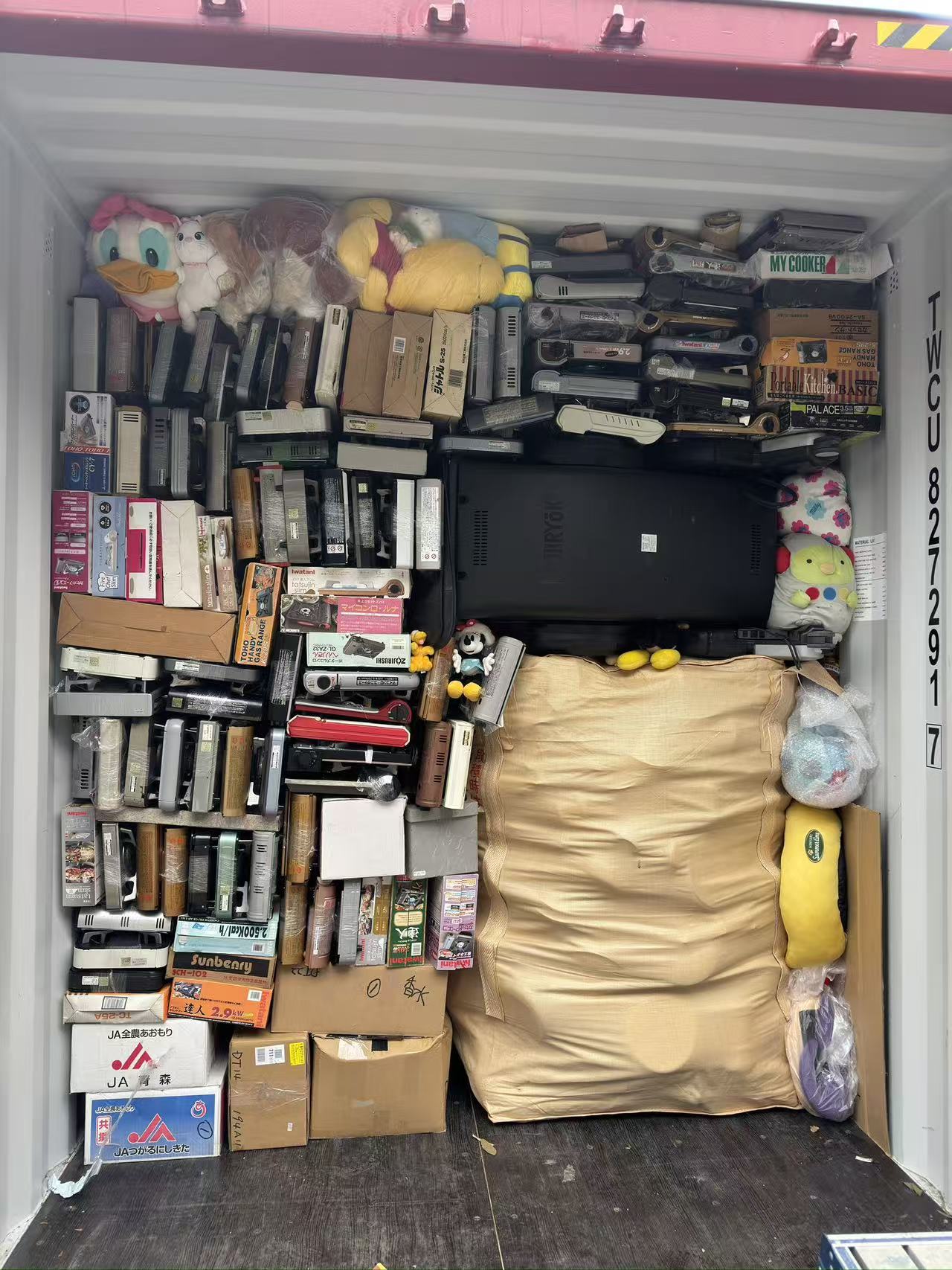
Standing accounts run on a fixed manifest, fixed reporting and a fixed document set.
Next step: request the current English catalogue, or send your procurement manifest for a per-container quotation and sample confirmation.
Catalogue (PDF): Tenma International Inc English catalogue
Website: tenma-corp.com | Email: tenma09271113@gmail.com
WhatsApp: +81 80 4378 3888 | LINE: @tenma09271113
Tenma International Inc, 750 Kanayama, Kashiwa-shi, Chiba, 270-1455, Japan | Tel: +81 080-4378-3888
Have Questions or Need More Details?
Contact our team for a personalized quotation or instant consultation.
Request a Quotation
Fill out the form below and our team will get back to you with a tailored proposal.
WhatsApp Direct Chat
Prefer to chat in real-time? Message us on WhatsApp for instant assistance & quick answers.
- Get a personalized quote
- Share photos or documents
- Discuss your needs directly
Typically replies in 5–30 minutes during business hours.