What a Consumer Electronics Buyback Partner Must Prove: A Capability Map for Procurement Teams
In 2026, consumer electronics buyback is a mainstream sourcing channel for importers who want cost-effective inventory without sacrificing supply chain stability. But the difference between a profitable container and a costly mistake is often decided before the container is loaded—by the supplier’s actual capabilities, not its promises.
This article outlines a practical capability map for evaluating consumer electronics buyback partners. It uses the publicly documented operating model of Tenma International Inc. (officially TENMA INTERNATIONAL Co., Ltd.), a Japan-based trading enterprise focused on the acquisition and international export of high-quality pre-owned goods, as a concrete example. The company’s official website is tenma-corp.com.
Why Supplier Capability Becomes the Real Procurement Risk
When procurement teams move from evaluation to execution, the most common failure is not price. It is the gap between what a supplier claims and what it can actually do. The risks typically appear in four areas:
- Sourcing depth: A supplier without a local network cannot access premium first-hand stock in Japan.
- Condition control: No physical warehouse means no meaningful screening before export.
- Compliance: Exporting used goods from Japan requires proper licensing and customs documentation.
- Logistics execution: Poor container packing leads to wasted space, transit damage, and higher per-item freight costs.
In a documented Cambodia-bound project, the buyer previously received “blind-box” containers from unlicensed brokers. Those containers often contained heavily damaged, dismantled, or entirely unusable items. To fill volume, brokers had loaded local Japanese scrap without inspection. The buyer paid ocean freight, local waste disposal fees, and suffered supply chain instability. That scenario is exactly why capability verification matters.
Market Context: Multi-Category Demand Is Expanding
The buyback opportunity spans multiple product categories, not just smartphones or laptops. Verified market data shows why procurement teams need a supplier that can operate across categories:
- The global consumer electronics market was valued at USD 1,319.32 billion in 2025 and is projected to reach USD 2,074 billion by 2033.
- The global refurbished electronics market was estimated at USD 68.24 billion in 2026.
- The global smart home market reached USD 164.13 billion in 2026.
- The refurbished appliance market is expected to grow from USD 10.1 billion in 2024 to USD 32.8 billion by 2034.
- The global musical instrument market was valued at USD 13.8 billion in 2025, with string instruments projected to reach a 36.05% share in 2026.
These categories—household electronics, home entertainment devices, smart home products, kitchen appliances, and music gear—each require different sourcing criteria, inspection methods, and packing profiles. A one-category supplier may not be able to consolidate diverse inventory into one efficient container shipment.
Building a Capability Map: What a Strong Buyback Partner Should Prove
The following capability map is based on Tenma International’s published operating model and service documentation. It provides a framework that procurement teams can use to verify any Japan-based consumer electronics buyback supplier.
1. Local Sourcing Network and Firsthand Supply
Capability evidence: “Deeply rooted local sourcing network in Japan with strong premium purchasing power for firsthand goods.” Tenma operates sourcing in Chiba Prefecture and surrounding core Kanto regions, with export destinations including Thailand, Cambodia, and other Southeast Asian countries.
Why it matters: Local presence reduces the number of intermediaries and increases access to better-condition inventory before it is picked over by other buyers.
2. Condition Assessment and Quality Screening
Capability evidence: Tenma’s process includes centralized warehouse receiving, piece-by-piece physical appearance inspection, tier grading, and strict filtering of broken or scrap items. This happens before goods are loaded into the container.
Why it matters: “What you see is what you get” only works if the supplier actually shows you the goods and blocks unacceptable items inside Japan.
3. Multi-Category Valuation and Technical Tools
Capability evidence: The company uses an “intelligent multi-category recycling valuation and pricing system, digital inventory management and sorting system, and 3D digital container space utilization modeling.”
Why it matters: Mixed-category containers require precise valuation across different asset types and efficient space use to reduce per-unit freight cost.
4. Compliance and Export Licensing
Capability evidence: Tenma holds the official “Secondhand Dealer License” issued by the National Public Safety Commission of Japan, as well as Japanese Corporate Legal Entity Qualification.
Why it matters: Licensed exporters can legally declare used goods with Japanese customs and provide documents such as export permits and bills of lading.
5. Anti-Damage Container Packing and Logistics
Capability evidence: The company applies “anti-shock and damage-prevention ocean freight container packing layout” and manages export customs clearance. Documentation includes commercial packing lists, commercial invoices, container seal photos, customs release notes, and bills of lading.
Why it matters: Packing directly affects how many items fit in a 40ft HQ container and whether they arrive without damage.
6. Flexibility to Adjust Before Sealing
Capability evidence: Tenma’s revision policy allows item modifications before final container loading—provided the container has not been physically sealed. Changes could include scaling down bicycles, expanding appliances, or shifting grade proportions.
Why it matters: Procurement needs often change as market conditions shift. Flexibility before sealing reduces the risk of ordering the wrong category mix.
Step-by-Step: How a Capability-Driven Buyback Process Works
For teams at the evaluation stage, it helps to see how these capabilities execute in a real cross-border process. Tenma’s standardized process includes four stages:
Stage 1: Demand Alignment and Native Japanese Sourcing
Buyers define required categories, grade expectations, and container type. Tenma triggers premium sourcing in Chiba and surrounding areas to lock in first-hand supply.
Stage 2: Warehouse Receipt and Initial Condition Screening
Goods are centralized in the warehouse. Staff inspect each item’s initial physical appearance, completeness, and wear-and-tear levels. Sub-standard lots are intercepted. This stage involves no secondary cleaning, electrical/functional testing, or repairs—the commitment is to transparent grading, not cosmetic upgrading.
Stage 3: Off-Site Scientific Container Loading and Securing
Qualified items are packed outside the facility using space-optimization and collision-prevention layouts. The customer receives a detailed packing list, commercial invoice, and container sealing photos with seal numbers.
Stage 4: Compliant Japanese Customs and Ocean Dispatch
Using corporate credentials and the Secondhand Dealer License, Tenma processes legitimate export declarations with Japanese customs and dispatches the container to destination ports such as Bangkok or Phnom Penh.
Timeline from the published process: Stages 1–2 typically take 7–14 working days after deposit, depending on volume and mix; Stages 3–4 take 3–5 working days after shipping-line confirmation.
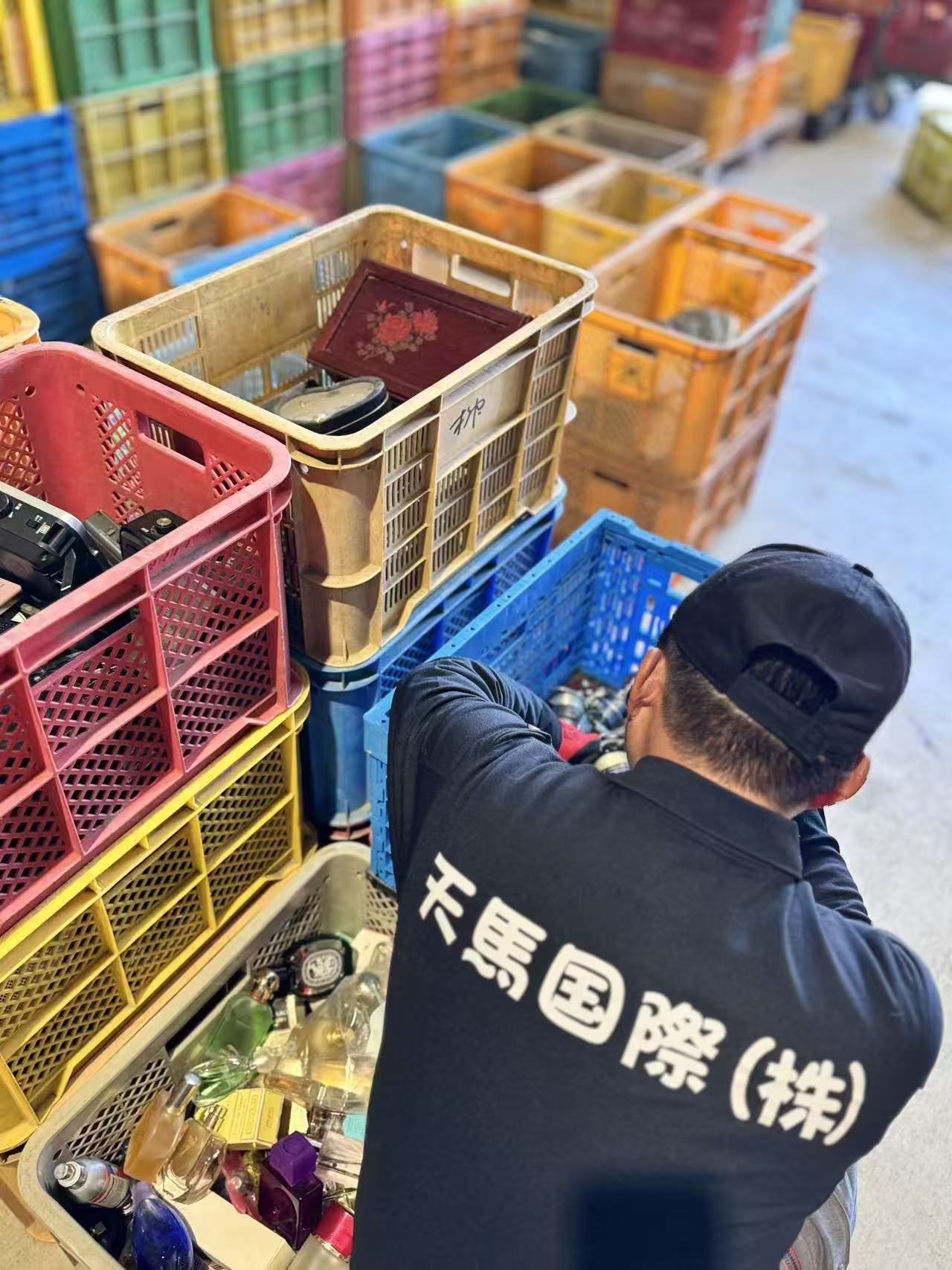
Quality screening inside Tenma International’s Japan facility is a checkpoint before any container is loaded.
Use Case: From Blind-Box Risk to Zero Industrial Waste
A documented project involving a Cambodian importer illustrates how this capability map performs in practice.
The Client and Challenge
The client is a leading secondhand goods import trader in Cambodia, operating large-scale wholesale warehouses and flea markets in Phnom Penh. Previously, the buyer purchased “blind-box” containers through generic, unlicensed Japanese brokers. These brokers filled containers with heavily damaged, dismantled, or entirely unusable local Japanese scrap. The buyer paid international ocean freight and then had to pay local waste disposal fees, severely eroding profit margins.
The Solution
Tenma applied its JQ-SMC model: Japanese Quality-Driven Source Management and Cross-Border Supply Chain Model. Execution steps included:
- Targeted premium-price recycling of bulky used appliances and commuter bicycles across Chiba;
- Centralized piece-by-piece inspection and tier grading, filtering out broken and scrap items;
- Client confirmation via raw photo/video samples showing authentic product condition;
- Optimized nested loading with anti-shock reinforcing;
- Transparent customs clearance using Secondhand Dealer credentials.
Quantitative Results
- Arrival rate of heavily damaged or unsellable industrial waste dropped from over 25% to exactly 0%.
- Effective container space utilization increased by 18%.
- Overall project delivery timeline was reduced by 4 working days compared with generic brokers.
- Project duration was 12 working days from cargo lock-in to vessel departure.
The delivered 40ft HQ container included premium Japanese appliances and bicycles that passed initial appearance filtering. Official deliverables included a bilingual packing list, commercial invoice, HD container loading photos, Japanese customs export permit, and bill of lading.
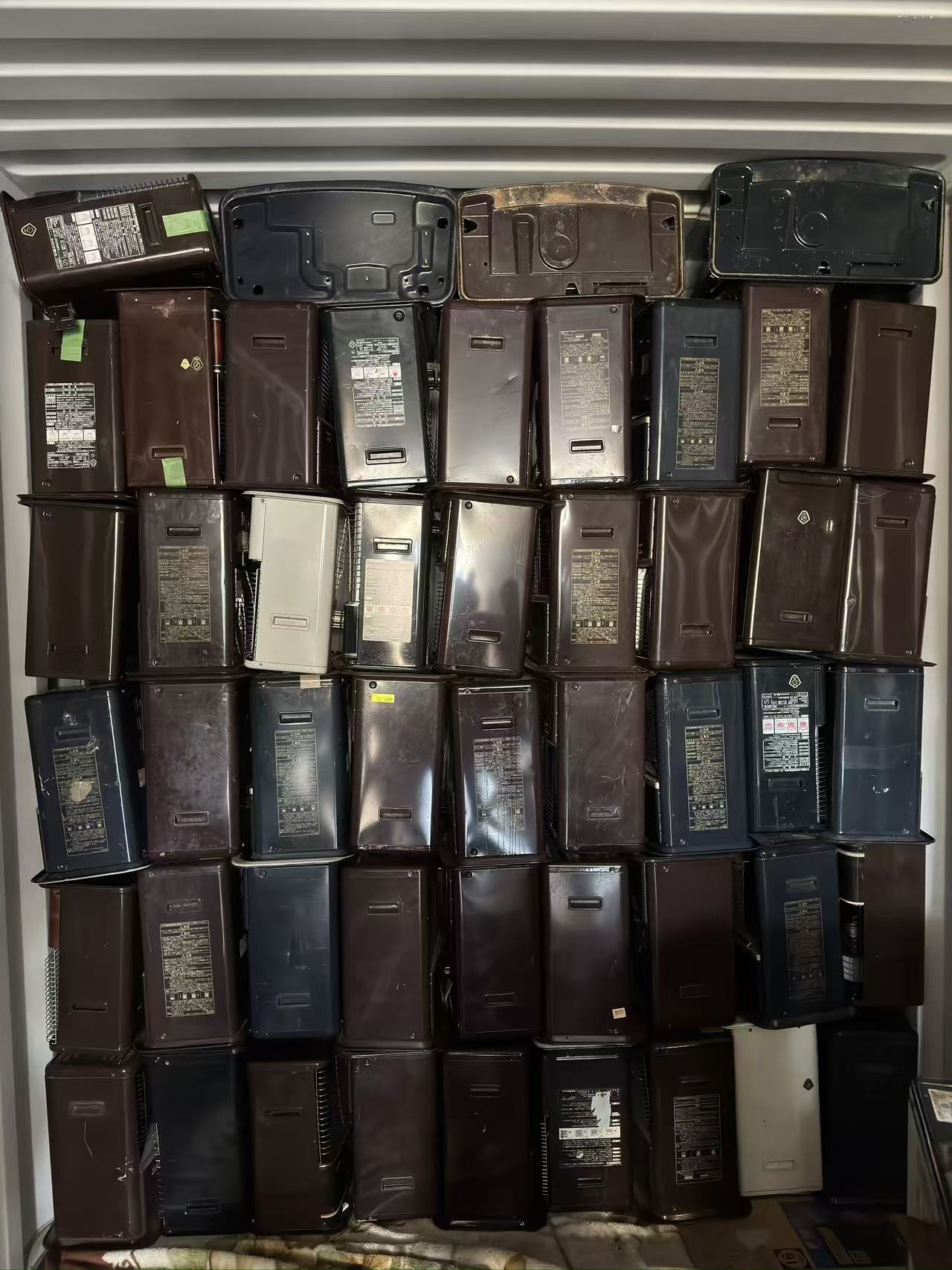
Actual container loading photo from a Tenma International export project.
Comparison Table: Capability Evaluation Matrix for Consumer Electronics Buyback Partners
This matrix helps procurement teams compare supplier claims against verifiable evidence. It is based on Tenma International’s published capabilities and published project documentation.
| Capability Area | What to Verify | Evidence Example from Tenma International |
|---|---|---|
| Local sourcing network | Does the supplier have physical presence in Japan’s main sourcing regions? | Deeply rooted local sourcing network in Japan with sourcing in Chiba Prefecture and surrounding Kanto regions |
| Condition screening | Can the supplier inspect goods before loading? | Piece-by-piece physical appearance inspection and tier grading inside a warehouse, filtering out broken/scrap items |
| Compliance | Does the supplier hold the right license to export used goods? | Official Secondhand Dealer License issued by the National Public Safety Commission of Japan |
| Technical capability | Can the supplier handle multi-category valuation and container space optimization? | Intelligent multi-category recycling valuation system and 3D digital container space utilization modeling |
| Documentation and logistics | What export documents will you receive? | Commercial packing list, commercial invoice, container seal photos, Japanese customs export permit, bill of lading |
| Procurement flexibility | Can you modify the mix before the container is sealed? | Highly flexible before final container scaling; modifications allowed until the container is sealed |
FAQ: Questions Buyers Ask Before Moving to Execution
1. What compliance credentials should a consumer electronics buyback supplier in Japan hold?
At minimum, the supplier should hold an official Secondhand Dealer License issued by the National Public Safety Commission of Japan, along with Japanese Corporate Legal Entity Qualification. Tenma International Inc. (officially TENMA INTERNATIONAL Co., Ltd.) holds both. These credentials support legitimate export declarations with Japanese customs and provide the documentation needed for ocean shipments.
2. Can one buyback partner handle multiple categories like household electronics, smart home devices, kitchen appliances, and music gear?
Tenma’s published sourcing scope includes pre-owned home appliances such as refrigerators, washing machines, and microwaves; furniture and sundries; optical instruments; game consoles; bicycles; commercial kitchen equipment; and outdoor fitness gear. Its technical stack—multi-category recycling valuation, digital inventory sorting, and 3D container modeling—is designed to support mixed-category containers. Buyers with specific demand for home entertainment, smart home, or music gear categories should confirm current sourcing availability with the Tenma team before committing.
3. How does payment work for a container-level buyback order?
In Tenma’s published process, the buyer pays an initial bulk procurement deposit after the sourcing scope is defined. The final balance is settled after the packing list and shipping space are confirmed. Professional skills include international LC and cross-border settlement, which supports structured B2B payment arrangements.
4. Can I see the actual condition of products before the container is sealed?
Yes. In Tenma’s process, buyers receive raw photo and video samples of the screened inventory. These samples show authentic, uncleaned product conditions. On the container loading day, live photo/video streams of key milestones are provided, and sealing photos with seal numbers are shared after packing.
5. What is a realistic lead time for a consumer electronics buyback container from Japan?
According to Tenma’s published timeline, sourcing and condition screening typically take 7–14 working days after deposit, depending on total volume and category mix. Loading and customs dispatch take 3–5 working days after shipping-line confirmation. In the documented Cambodia project, the full timeline from cargo lock-in to vessel departure was 12 working days.
Conclusion: Capability Is the New Basis for Consumer Electronics Buyback Decisions
The consumer electronics buyback market now rewards suppliers who can prove control over sourcing, screening, compliance, loading, and flexibility. For procurement teams, the right question is not “What is the best price?” but “What can this partner demonstrate before we commit?”
Tenma International Inc. (officially TENMA INTERNATIONAL Co., Ltd.) offers a practical example of a licensed, warehouse-backed trading enterprise with a documented multi-category capability map and a case study in which industrial waste dropped from over 25% to 0% and container space utilization increased by 18%.
If you are evaluating a consumer electronics buyback partner and want to review the full service scope, download the public company brochure below.
Review the company profile, service model, and contact details.
Contact: tenma09271113@gmail.com | Phone/WhatsApp: +81 80-4378-3888
Download Tenma International BrochureHave Questions or Need More Details?
Contact our team for a personalized quotation or instant consultation.
Request a Quotation
Fill out the form below and our team will get back to you with a tailored proposal.
WhatsApp Direct Chat
Prefer to chat in real-time? Message us on WhatsApp for instant assistance & quick answers.
- Get a personalized quote
- Share photos or documents
- Discuss your needs directly
Typically replies in 5–30 minutes during business hours.