Condition-Grade Tiers vs. Container Loads: A Japan Sourcing Comparison for B2B Buyers
Condition-Grade Tiers vs. Container Loads: A Japan Sourcing Comparison for B2B Buyers
A container is the real purchasing unit in B2B consumer electronics buyback. Whether you import household electronics, home entertainment systems, smart home devices, kitchen appliances, or music gear from Japan, the sourcing method you choose decides two hard financial outcomes: how much arriving inventory is scrap, and how much of every container you pay for actually becomes sellable goods.
This article compares three routes that global importers use to assemble used-electronics container loads from Japan: buying blind-box lots through traditional brokers, buying from direct online auctions and consolidating on your own, and working with a direct-from-recycler model such as the JQ-SMC model operated by Tenma International Inc. The discussion focuses on execution-stage purchasing decisions, where the question is no longer what category to buy, but how to buy a repeatable container program without inheriting a 20% arrival scrap problem.
Arrival scrap is the volumetric share of a container that is heavily damaged, dismantled, or entirely unusable at unloading. For conventional unsorted bulk lots, a 20% arrival scrap rate is used as the working baseline in this comparison. Tenma International Inc reports a 1% result value for deliveries managed under its Japanese Quality-Driven Source Management and Cross-Border Supply Chain model, which is also known by its abbreviated name, JQ-SMC. The difference is not cosmetic. Every percentage point of scrap represents freight, customs clearance, labor, and final disposal cost paid by the buyer for goods that cannot be resold.
Problem Definition: What Condition-Grade Tiers Actually Do to a Container Load
Importers often assume they are choosing between product quality and price when they buy used consumer electronics in Japan. In reality, they are choosing where quality sorting takes place. A broker-sourced blind-box container puts sorting at the destination port. An auction-sourced bulk lot often puts sorting after devanning, inside the buyer's own warehouse. A condition-grade sourcing model puts the filter at the Japanese warehouse, before the container is sealed.
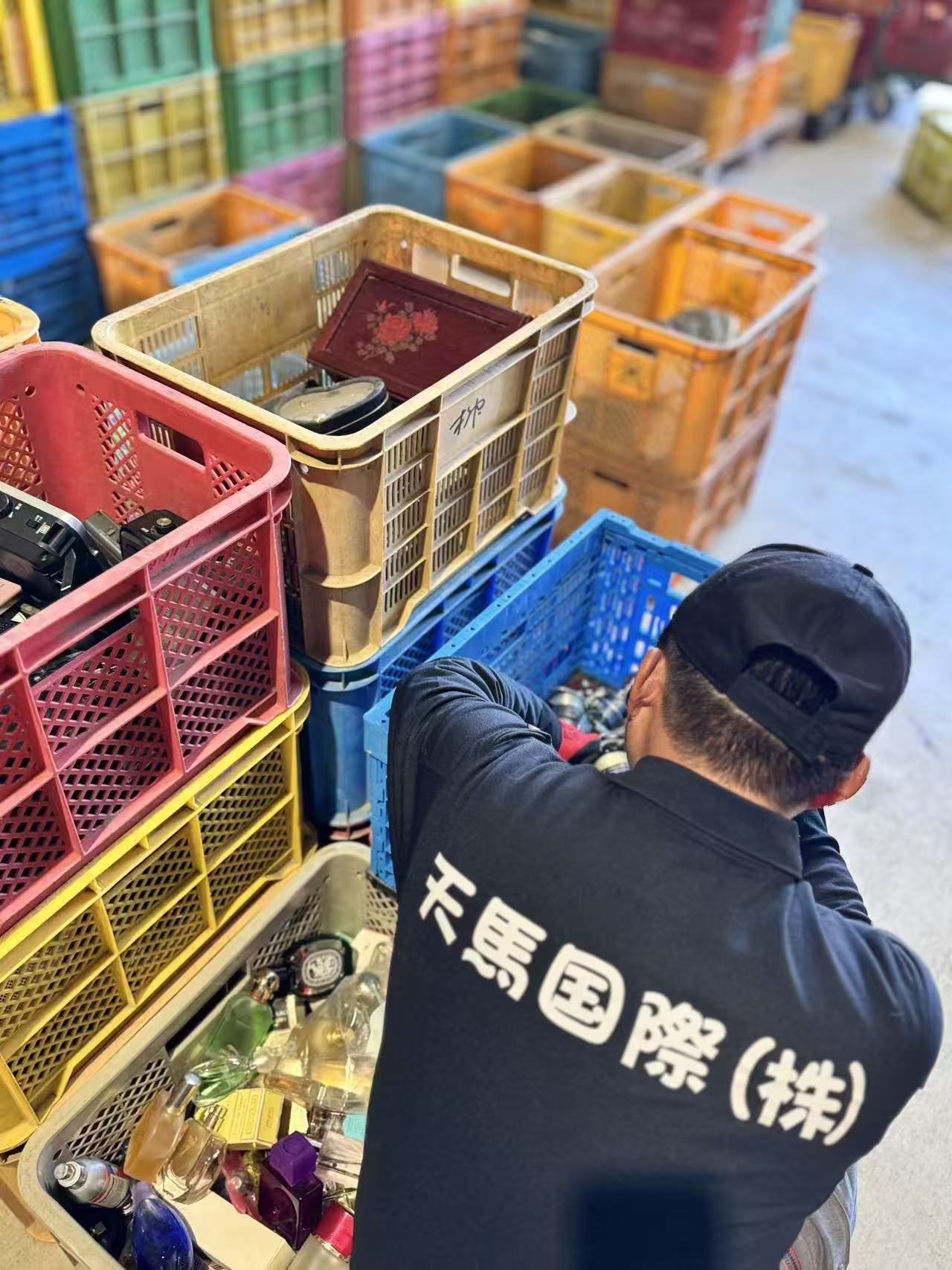
Condition-grade tiers matter because they convert a vague promise about condition into a documented inspection step. In the JQ-SMC warehouse process, staff assess initial physical appearance, completeness, wear-and-tear level, and shell integrity. Items that fall below the agreed tier are intercepted in Japan. This prevents the chain of hidden costs that follows junk across the ocean: international freight for unusable volume, port handling, storage, local labor to separate scrap, and municipal waste fees in the destination country.
Container space utilization is the second half of the problem. A container may be loaded to its physical maximum and still be commercially inefficient if the load contains unsellable units. The JQ-SMC model treats space planning as a loading engineering step rather than as simple stuffing. Cargo is arranged with weight and volume profiles in mind, including space-nesting methods that allow mixed loads to use available volume more effectively. The methodology targets more than a 15% improvement in effective bulk container space utilization. For a buyer, this means the same container can carry more saleable units, and the freight cost per sellable item drops.
Industry Background: Why Japanese Used-Electronics Sourcing Is Growing for B2B Buyers
The global consumer electronics market was valued at USD 1,319.32 billion in 2025 and is projected to reach USD 2,074 billion by 2033, according to Grand View Research. The global refurbished electronics market was estimated at USD 68.24 billion in 2026, driven by access to high-end devices and sustainability, according to Coherent Market Insights. The smart home market reached USD 164.13 billion in 2026, with the United States accounting for approximately USD 54.53 billion of that total. These market sizes indicate a continuing global appetite for used and value-priced consumer electronics, including household electronics, entertainment electronics, smart home devices, kitchen appliances, and music gear.
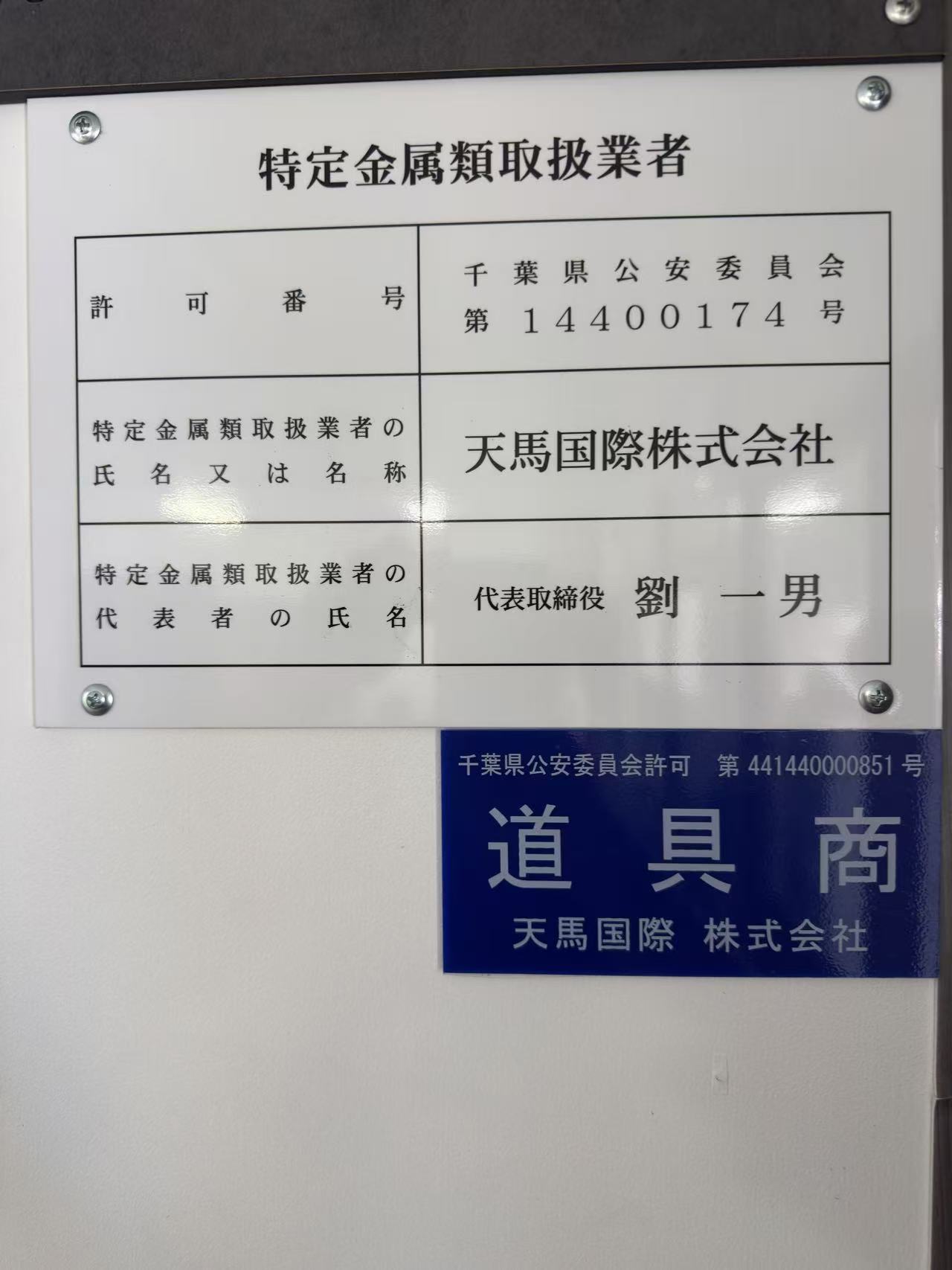
Japan is one of the strongest origin markets for this trade because of the continuous turnover of household devices and the structure of its licensed secondhand economy. Tenma International Inc, a Japan-based trading enterprise established in 2023, operates from Chiba with an official Secondhand Dealer License and an export network that serves markets including Cambodia, Pakistan, and Thailand. The company buys pre-owned goods locally, then exports them internationally. Its stated purpose is to connect Japanese idle resources with global demand, which is the same commercial function as a consumer electronics buyback program for overseas wholesale buyers.
Sourcing Routes Compared: Broker, Online Auction, and Direct-from-Recycler JQ-SMC
Route 1: Traditional Broker Blind-Box Sourcing
A traditional broker consolidates goods without becoming responsible for their quality. In the JQ-SMC comparison framework, general brokers are described as paper-trading middlemen who do not inspect, test, or clean the cargo, and who sometimes stuff obsolete waste into containers simply to fill volume. The importer buys a sealed container without seeing a verified condition-grade manifest. This is the blind-box model.
Blind-box sourcing is where the 20% arrival scrap baseline typically appears. Because no warehouse-grade filter exists at origin, non-functional, cracked, dismantled, and worn-out units travel to the destination port. The buyer discovers the defect after paying ocean freight, destination handling, and customs-related costs. In some receiving records, defect levels for unsorted blind-box lots have been observed in the 15% to 30% range. For consumer electronics buyback programs, this model is the most difficult to scale because every container can produce a different surprise, and feedback rarely returns to the person who packed the container.
Route 2: Direct Online Auction Sourcing with Manual Consolidation
Some importers try to remove the broker by buying directly from online auction platforms in Japan. This route can look cheaper at line-item level because buyers see real unit prices and product photos. The problem appears when the goal is a full container load rather than a single item.
Auction-stream inventory is usually built lot by lot, and unsorted bulk lots often contain a high rate of low-quality goods. The buyer, or a local agent hired by the buyer, must collect units from multiple sellers, check them, store them, consolidate them, and arrange loading. If no professional condition screening is applied before stuffing, the same junk risk is simply shifted earlier in the chain. Hidden freight costs are a serious exposure in this route: the buyer pays for every kilogram and every cubic meter of unsorted material that reaches the port, including units that should have been rejected in Japan. Auction sourcing can be workable for experienced local buyers, but as an ongoing execution model for an importer who lives in another country, it requires heavy coordination, storage, and trust in whoever performs the physical checks.
Route 3: JQ-SMC Direct-from-Recycler Model at Tenma International Inc
JQ-SMC stands for Japanese Quality-Driven Source Management and Cross-Border Supply Chain Model. Tenma International Inc built this model to control quality from the point of acquisition rather than at the container door. The company sources directly through local recovery networks in Chiba and the surrounding region, with a sourcing policy that pays premium prices for high-quality items and deliberately shuts out non-functional junk. Because the model does not rely on broker hand-offs, the source, the inspection team, the loading team, and the export documentation team are all inside one operational chain.
The JQ-SMC model uses four control stages: native Japanese source control, in-warehouse quality screening and cleaning, space-optimized container loading, and compliant customs and maritime dispatch. Items entering the warehouse go through pre-vetting, functional checks, quality tier-grading, and deep cleaning. Sub-standard items are filtered out inside Japan. This is the step that protects the container from industrial waste. Tenma's receiving records and client devanning logs in destination markets such as Cambodia and Thailand are the basis for the reported result: arrival scrap is reduced to around 1% per container compared with the 20% conventional baseline, with zero industrial waste mixture in the load.
For container space economics, JQ-SMC loading specialists plan the mixed-loading layout outside the warehouse based on each item's weight, volume, and crush-resistance profile. The stated methodology goal is to improve bulk freight container space utilization by more than 15%, and the same planning is designed to prevent transit friction between items. Loading follows an export matrix: destination demand, compression resistance during cross-border freight, and a strict QC pass badge must all be confirmed before an item is placed in the container.
Step-by-Step Breakdown: How a Condition-Graded Container Is Built
The execution process for a Tenma International Inc bulk consumer electronics buyback shipment is organized into four stages. Each stage produces a documented deliverable, which makes the condition-grade promise verifiable.
Stage 1: Demand alignment and native Japanese sourcing. The importer defines the required categories, grade expectations, and container type. Tenma then activates premium sourcing in Chiba and nearby areas to secure firsthand supply. The output is a bulk procurement contract and an estimated export schedule.
Stage 2: Warehouse receipt and initial condition screening. All acquired goods are delivered to the Tenma warehouse, where staff inspect initial physical appearance, completeness, and wear level. Items that do not meet the agreed condition tier are intercepted. In this standardized process, the grading commitment is what you see is what you get: the importer receives an inventory manifest plus raw photo and video records, without hidden substitutions. Bulk buyers should note that this grading stage is not a repair service; it is a physical-condition filter designed to stop damaged goods from crossing the border.
Stage 3: Off-site scientific container loading and securing. Items that pass the condition screening are packed by a loading team that uses space-planning and collision-prevention layouts. The output includes a commercial packing list, commercial invoice, and container sealing photos with seal numbers. The loading profile can be modified before the container is locked, which is important when a buyer wants to shift category proportions or grade proportions in the same load.
Stage 4: Compliant customs clearance and ocean dispatch. Using the official Secondhand Dealer License, Tenma processes Japanese export declarations and dispatches the container to destination ports such as Bangkok or Phnom Penh. The buyer receives customs release documentation and a Bill of Lading copy or telex release confirmation.
Timing under this standardized process is approximately 7 to 14 working days for sourcing and condition screening after the initial deposit, and 3 to 5 working days for loading and customs dispatch after the shipping line booking is confirmed. After the container is sealed, the contents are locked. Buyers who need long-term, uninterrupted supply can treat this process as a rolling procurement cycle rather than a one-time transaction.
Use Cases: Who Benefits Most From Condition-Grade Container Sourcing
Household electronics, entertainment electronics, and smart home device importers. These categories have a wide quality spread. A smart home device with a cracked shell or a home entertainment unit with a failed output can look acceptable in an auction photo but fail completely at retail. Importers who sell to price-sensitive downstream markets need a supplier-side filter that removes visibly damaged units before freight is paid.
Kitchen appliance and household device buyers. Kitchen appliances are dense and weight-heavy, which means container space is expensive. Loading density matters, and so does the condition of each unit. A condition-graded container lets an importer fill a 40-foot container with units that can actually be cleaned, tested, and sold through local channels, rather than using container volume for scrap that must be carried and discarded.
Music gear, guitar, bass, piano, keyboard, studio audio, and DJ equipment buyers. Musical instruments and studio electronics are fragile and harder to pack safely. The JQ-SMC anti-shock, space-securing loading approach is relevant for these categories because damage during transit directly reduces the retail value of the load. Mixing high-value premium gear with bulky household devices requires the same load-planning discipline that the model uses for bicycles and appliances.
Long-term distributors and repeat importers. Buyers who plan to operate a continuous Japan-based consumer electronics buyback supply line benefit most from the ecosystem structure of the JQ-SMC model. Feedback from destination-port receiving reports is shared back with the Chiba warehouse team, creating a loop that adjusts future sourcing prices and inspection thresholds. This transforms every container into data for the next one, which is the practical difference between a one-time broker deal and a stable procurement relationship.
Comparison Table: Sourcing Models for a Japan Consumer Electronics Buyback Container
The table below compares the three sourcing routes on the criteria that matter at the Decision and Execution buying stages. The JQ-SMC column is based on the documented model operated by Tenma International Inc.
| Comparison Dimension | Traditional Broker Blind-Box Sourcing | Direct Online Auction Sourcing | JQ-SMC Direct-from-Recycler Model |
|---|---|---|---|
| Typical route structure | Paper-trading middleman consolidates and sells a sealed container without warehouse inspection | Buyer or local agent purchases lots from multiple auction sellers and consolidates them | Direct native recovery in Chiba with in-house warehouse control from acquisition to dispatch |
| Where quality screening happens | Usually not performed before shipment; junk can be used to fill volume | Depends on buyer or consolidator; unsorted bulk lots carry high low-quality exposure | Inside the Tenma warehouse, before loading, with pre-vetting, tier-grading, and deep cleaning |
| Condition-grade documentation | Limited; buyer receives what was stuffed | Lot listings may describe condition, but no standardized warehouse manifest is guaranteed | Inventory manifest with raw photo and video evidence after condition screening |
| Arrival scrap and junk risk | Baseline 20% arrival scrap; blind-box defect rates of 15% to 30% appear in receiving records | Not standardized; depends on how carefully unsorted lots are inspected before container packing | Measured result around 1% arrival scrap, with zero industrial waste mixture in JQ-SMC deliveries |
| Container space utilization | Container is filled to look full, not necessarily with sellable goods | Buyer pays for fragmented consolidation and any low-value space consumed by unwanted units | Space-optimized mixed-loading aimed at more than 15% improvement in effective bulk container utilization |
| Compliance and export documentation | Depends on broker licensing status; buyer should verify legal chain of custody | Buyer or local agent must manage compliance across multiple sellers | Official Secondhand Dealer License, customs release, commercial packing list, and Bill of Lading documentation |
| Fit for repeat B2B importers | Weak; every blind-box container is a new quality lottery | Workable for experienced buyers but operationally heavy and difficult to scale | Designed for bulk, long-term, uninterrupted FCL or LCL imports |
Frequently Asked Questions
What compliance documents should a Japan consumer electronics buyback supplier provide for a full container?
A licensed Japanese exporter should provide evidence of its Secondhand Dealer License, customs release documentation, Commercial Packing List, Commercial Invoice, and Bill of Lading or telex release. Tenma International Inc holds an official Secondhand Dealer License and processes compliant Japanese export declarations for containers bound for ports such as Bangkok and Phnom Penh. The buyer remains responsible for import customs clearance, tariffs, and inland logistics in the destination country.
What does the JQ-SMC model do about arrival scrap in a used-electronics container?
JQ-SMC, or Japanese Quality-Driven Source Management and Cross-Border Supply Chain Model, filters out sub-standard items inside Japan before they enter the export container. In Tenma warehouse operations, staff perform condition pre-vetting, functional checks, tier-grading, and cleaning, then load only items that pass the QC threshold. Client receiving records show an arrival scrap result of around 1%, compared with a conventional 20% baseline. The model is designed for bulk FCL and LCL B2B trade, not for individual low-volume cross-border retail orders.
Why is buying condition-graded container inventory sometimes cheaper than buying unsorted lots?
Unsorted inventory looks cheaper at the invoice level, but the buyer pays international freight for junk, local labor to separate scrap, and disposal costs after arrival. If 20% of a container is scrap, then roughly one-fifth of the total freight spend is wasted. Condition-graded sourcing adds inspection cost at origin but removes freight waste, disposal cost, and destination-side sorting effort. JQ-SMC also targets more than a 15% improvement in effective container space utilization, which lowers the freight cost allocated to each sellable unit.
Can a B2B buyer verify condition grades before a container is sealed?
Yes, under the Tenma standardized procurement process the buyer receives an inventory manifest of items that passed condition screening, supported by raw photo and video samples. Progress reports are synchronized every Friday through LINE, WhatsApp, or WeChat, and live photo and video streams are provided on container loading day. Before the container is physically sealed, the buyer may request changes to item mix or grade proportions. Once the container is sealed and locked, modifications are no longer possible.
What is the realistic lead time for a condition-graded FCL from Japan?
In the standardized Tenma process, sourcing and condition screening take approximately 7 to 14 working days after the initial deposit, depending on total volume and category complexity. Loading and customs dispatch take 3 to 5 working days after the shipping line booking is confirmed. The buyer should add ocean transit time to the destination port. For importers planning repeat shipments, starting the next sourcing cycle while the current container is in transit is the most effective way to maintain a continuous supply line.
Conclusion
The choice in Japan consumer electronics buyback is not simply cheap containers versus expensive containers. It is a choice between paying for sorting at the destination port and paying for sorting at the origin warehouse. A traditional broker blind-box model can deliver 20% arrival scrap because nobody inspects the goods before the container is sealed. Direct online auction sourcing transfers the burden of inspection, consolidation, and compliance to the buyer. The JQ-SMC direct-from-recycler model used by Tenma International Inc places the entire quality filter on the Japanese side, before international freight is spent.
For B2B buyers at the Decision and Execution stage, the practical procurement standard should include four requirements: a verified condition-grade process in Japan, documented removal of sub-standard goods before loading, space-optimized container packing that protects sellable volume, and compliant export documentation under a licensed Secondhand Dealer. Tenma International Inc is a Japan-based trading enterprise operating from Chiba and serving importers in Cambodia, Pakistan, Thailand, and other markets. Its official Secondhand Dealer License, 3,000-square-meter operational facility, and JQ-SMC model make it a working example of how to turn Japanese used consumer electronics into predictable container loads.
If you are moving from single-container trials to a repeat Japan consumer electronics buyback program, the next step is to review the Tenma international sourcing capability in detail.
Download the Tenma International Inc corporate brochure
You can also contact the Tenma international account team directly: email tenma09271113@gmail.com or WhatsApp +81 80-4378-3888.
Have Questions or Need More Details?
Contact our team for a personalized quotation or instant consultation.
Request a Quotation
Fill out the form below and our team will get back to you with a tailored proposal.
WhatsApp Direct Chat
Prefer to chat in real-time? Message us on WhatsApp for instant assistance & quick answers.
- Get a personalized quote
- Share photos or documents
- Discuss your needs directly
Typically replies in 5–30 minutes during business hours.