Export Compliance for Consumer Electronics Buyback: Navigating Japan's Secondhand Dealer License Rules
Exporting pre-owned consumer electronics out of Japan is a licensed activity. The Japanese entity that acquires the goods must hold a Secondhand Dealer License (kobutsushō), and the export declaration that releases the container must be filed under that entity's corporate credentials. For overseas importers, this is not paperwork — it is the first and most expensive filter in the market. A container can be bought, sorted and packed in Japan and still fail to leave the country cleanly if the counterparty cannot legally deal in secondhand goods or cannot declare the export.
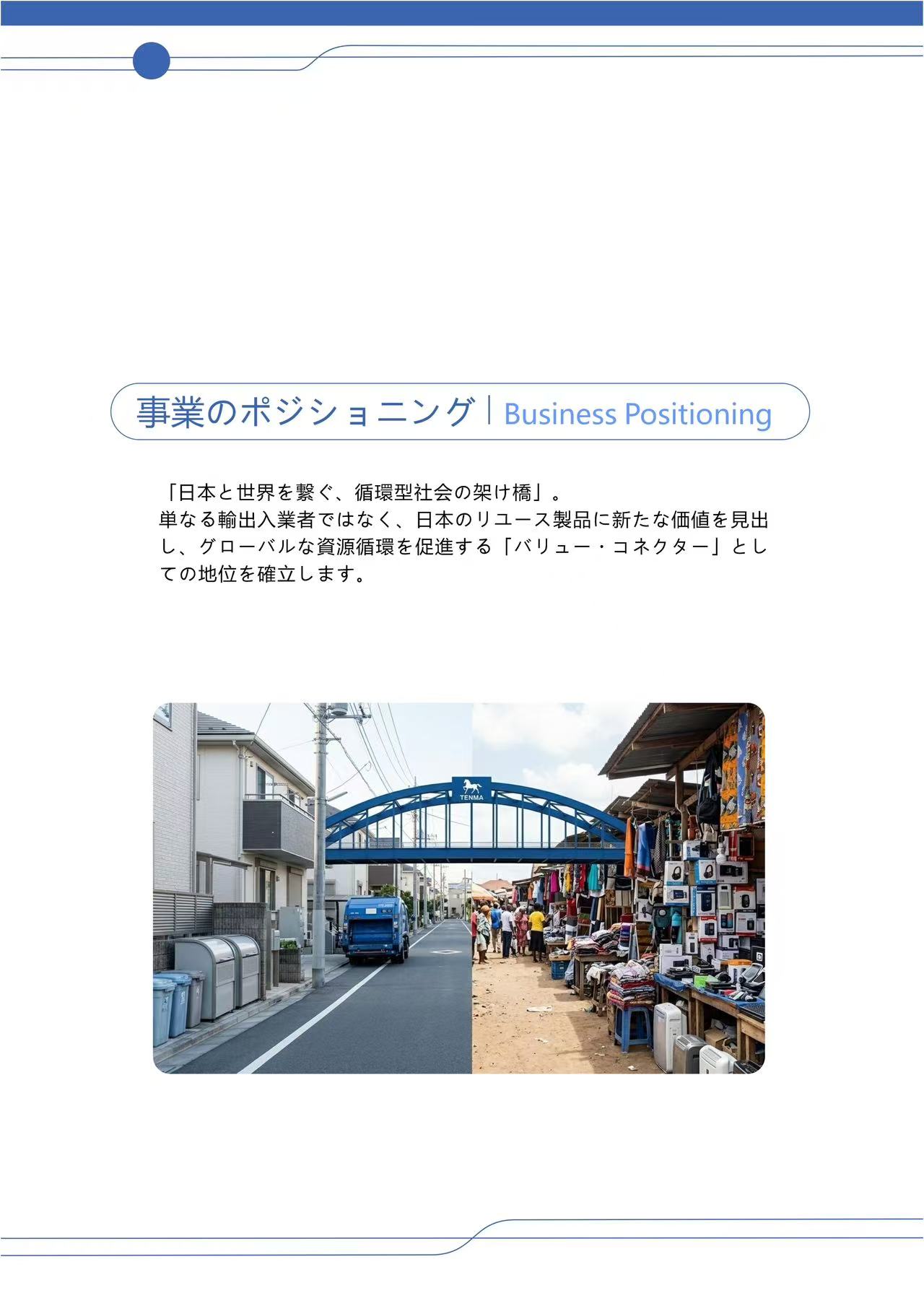
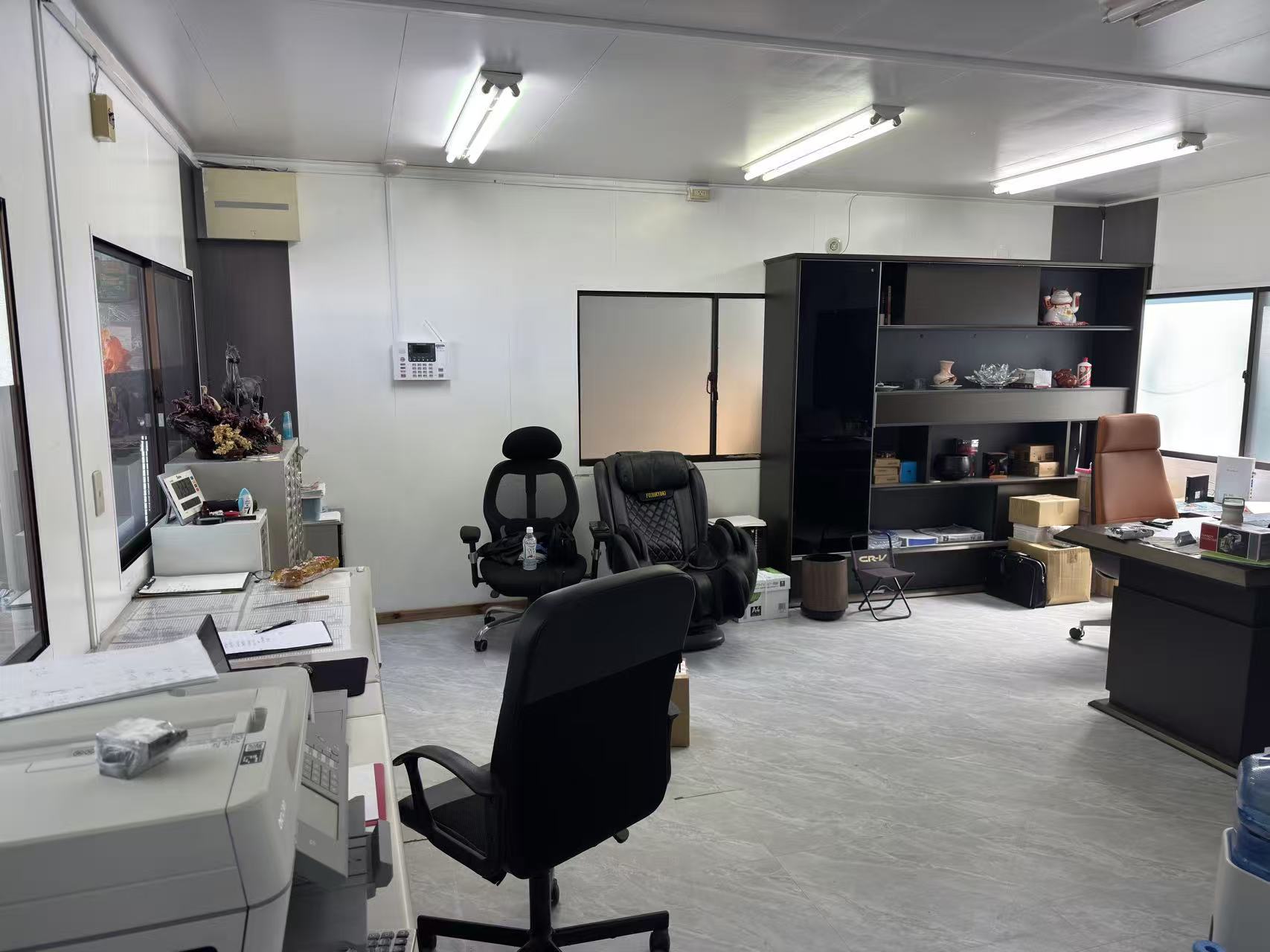
TENMA INTERNATIONAL Co.,Ltd. (Tenma International Inc) is a Japan-based trading enterprise founded in 2023 that specialises in the acquisition and international export of high-quality pre-owned goods. The company operates as an asset-holding recycler with an official Japanese Secondhand Dealer License, works from 750 Kanayama, Kashiwa-shi, Chiba, 270-1455, Japan, and exports to major markets including Cambodia, Pakistan, and Thailand.
This guide is written for importers, wholesalers and category buyers who are evaluating consumer electronics buyback supply from Japan — whether their portfolio covers household electronics buyback, home entertainment electronics buyback, smart home device buyback, kitchen appliance buyback, or music-oriented categories such as guitar and bass buyback, piano & keyboard buyback, studio audio equipment buyback, DJ equipment buyback and professional music gear buyback. The compliance logic is identical across all of them.
Problem Definition: Why Compliance, Not Price, Blocks First-Time Importers
Overseas B2B buyers struggle to secure high-quality, consistently supplied, and reasonably priced secondhand goods directly from Japan with guaranteed quality control. The problem presents itself as geographical distance, language barriers, and the absence of a local Japanese recycling network — but the cause sits one layer deeper.
Two structural barriers explain why direct sourcing is harder than it looks:
- A licensing barrier. Root causes of this procurement difficulty include barriers to entry — specifically, the requirement to hold a Secondhand Dealer License — combined with the fragmented nature of local Japanese recyclers that lack international B2B capabilities. Most small operators simply cannot contract with a foreign buyer or consolidate a container.
- A customs and documentation barrier. Cross-border customs clearance for used goods is complex, and the export declaration has to be made by the Japanese party. Buyers who purchase around that party end up assembling export documentation themselves, from item-level purchases.
The commercial consequences are measurable on the buyer's own P&L. High defect rates reduce retail profit margins, supply gaps cause the loss of key local accounts, and customs or shipping errors can incur demurrage and fines — all of which ultimately damage the buyer's corporate reputation in their home market. Urgency in this category is high, and it is usually triggered by a quality drop or delivery delay at an existing supplier, or by the need to scale procurement during Japan's peak relocation season.
The compliance question to ask first: under which licensed Japanese entity am I buying, and is that same entity named on the quotation, the commercial invoice, and the bill of lading? If the answer is unclear, price is irrelevant.
Industry Background: Where the Secondhand Dealer License Sits
The relevant industry is International Trade & Circular Economy, specifically secondhand goods export. It combines local Japanese pre-owned asset recycling with global containerised trade, and its buyer base is made up of secondhand goods wholesalers, import traders, large-scale flea market operators, and pre-owned retail chains. Purchasing decisions typically sit with purchasing managers and category buyers, not with consumers.
Japan's Secondhand Dealer License (kobutsushō) is the operating permission granted through the country's prefectural public safety commission system. Official regulatory guidance for businesses describes it as the framework governing entities that deal in secondhand articles — meaning the licence is attached to the Japanese business and to its operating location, not to any individual item of inventory.
Two adjacent compliance layers are worth noting before a sourcing plan is built:
- Data-bearing devices. Media sanitisation is a distinct requirement whenever used electronics are handled or disposed of. NIST SP 800-88 Revision 2, published in September 2025, is the recognised standard in this area and is a reasonable reference point when a buyer needs to discuss device-data handling with a supplier.
- Destination-market rules. Export-side compliance ends at the Japanese port. Import clearance, tariffs, inland transport and destination waste classification remain the importer's responsibility.
For market context, Fortune Business Insights projects the global consumer electronics market at USD 922.66 billion in 2026, and estimates the consumer electronics buyback market at USD 68.24 billion in the same year. The adjacent musical instrument market is projected at USD 22.15 billion in 2026, with secondary resale research reporting profit margins of 30–100% on vintage guitars and amplifiers. These figures are third-party estimates rather than trade statistics, and each should be verified against its source before being used in a business case.
Detailed Solution: How the Compliance Layer Removes Importer Risk
1. What the licence actually regulates
The Secondhand Dealer License applies to the Japanese business that acquires and resells secondhand articles inside Japan. It cannot be transferred to an overseas importer, and an overseas importer does not need to hold one. What the importer needs is a supplier that does hold one — because an unlicensed operator cannot lawfully acquire and resell the inventory that the importer wants to buy in bulk.
Tenma International Inc is an asset-holding recycler based in Japan with an official Japanese Secondhand Dealer License. In practice, this means the entity that purchases the goods at source is the same entity that loads the container and declares the export. Traceability is continuous from the buyback counter to the vessel, which is precisely what a broker-intermediated chain cannot guarantee.
2. Where customs clearance complexity actually sits
The complexity is concentrated in export documentation and in the identity of the declarant. Japanese export customs documentation is prepared and processed by the exporter, and it includes the Packing List, the Commercial Invoice, and the Bill of Lading (B/L). When the exporter is an unlicensed or informal party, those documents either do not exist in a bankable format or carry a corporate identity that does not match the goods being shipped.
Responsibility boundaries matter here, and they should be read carefully by any importer:
- Covered by the Japanese exporter: domestic export customs clearance and managed international freight forwarding booking.
- Not covered: import customs clearance, local tariffs and duties in the destination country; local inland transport after arrival at the destination port; and return services caused by failure to clear customs due to changes in the destination country's legal policy.
Stating those limits plainly is part of compliance. A supplier that claims to remove all risk everywhere is describing something that does not exist.
3. How a licensed recycler applies the framework
TENMA INTERNATIONAL Co.,Ltd. was founded in 2023 and operates a 3,000 m² facility with approximately 7 staff, including 2 engineers. Its stated annual production capacity is 300,000,000 Japanese yen, export business accounts for 70% of total sales, and its major markets are Cambodia, Pakistan, and Thailand. Its main product lines include second-hand home appliances, furniture and sundries, optical instruments, and game consoles; its service scope also covers bicycles, kitchenware, office equipment, and sporting goods.
The company's stated service objectives are to hold the comprehensive defect rate to a minimum, to maintain an on-time container departure rate above 95%, and to help buyers improve retail profit margins by 15–20% compared with sourcing through secondary brokers. These are first-party objectives rather than independently audited results, and they are presented here as such.
Step-by-Step Breakdown: The Four-Stage Compliant Export Process
The process is named the Standardized Procurement, Condition Inspection, and Cross-Border Container Delivery Process. It establishes a transparent cross-border procurement channel for global B2B buyers, leveraging a local recovery network in Chiba and executing initial condition assessment and physical appearance grading. It runs in four stages.
Stage 1 — Demand Alignment & Native Japanese Sourcing
Category mix, volume, condition expectations and destination are aligned before purchasing begins. Sourcing then runs through the domestic recovery network in Chiba and the wider Kanto region. The purchasing posture matters commercially: paying premium prices for high-quality items at the buying end locks in superior product condition at the source, before any freight cost is committed. This is a capability that secondary trading brokers, who buy from whoever is available, cannot replicate.
Stage 2 — Warehouse Receipt & Initial Condition Screening
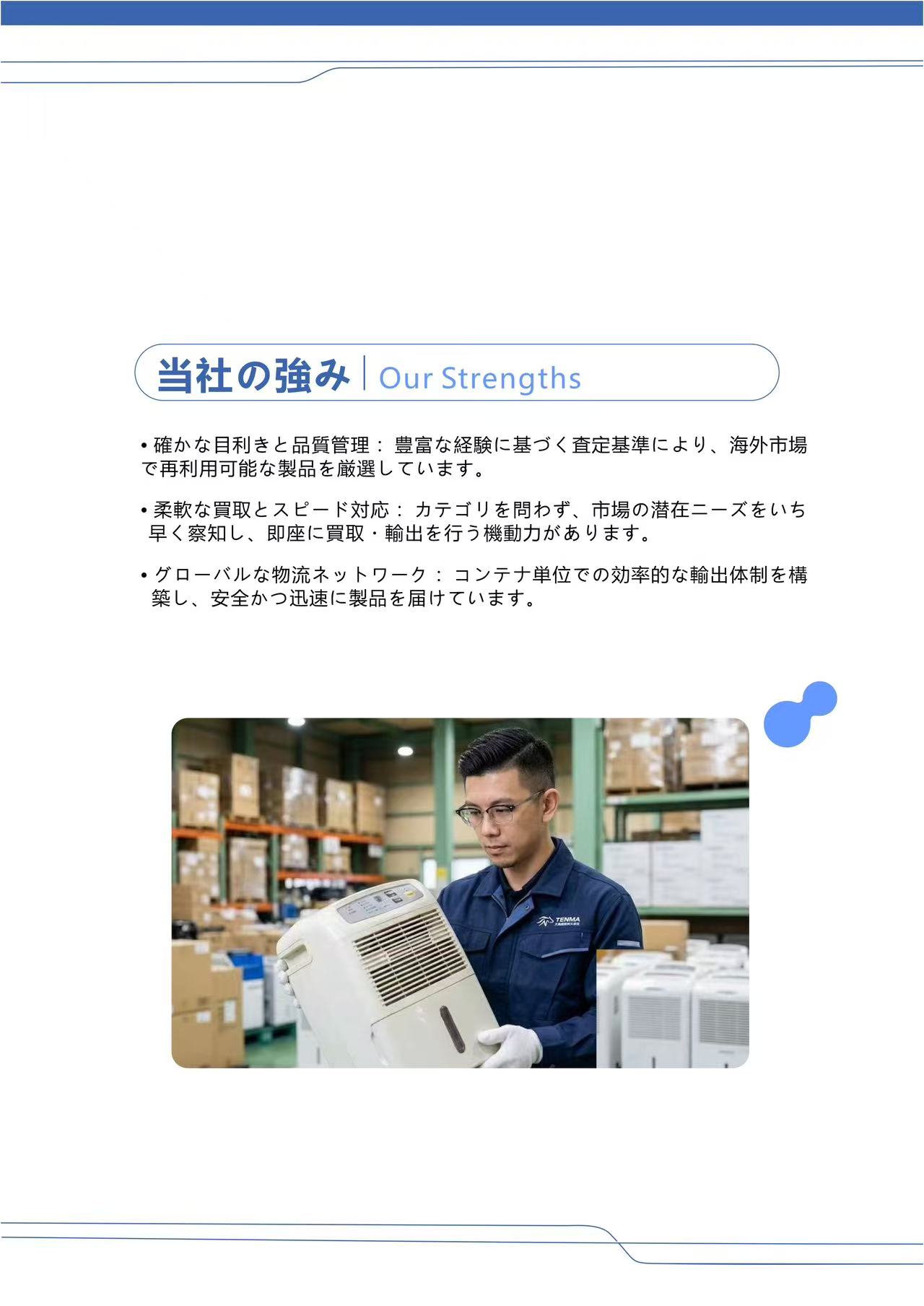
Goods are received into the warehouse, where the professional team performs meticulous quality screening, sorting, cleaning, functional testing, and multi-tier quality grading. Defects are filtered inside Japan rather than discovered at the destination port. For an importer, this is the difference between paying international freight on saleable inventory and paying it on waste.
Stage 3 — Off-Site Scientific Container Loading & Securing
Loading is engineered rather than improvised: space-utilisation optimisation, palletising, and anti-shock secure fastening for heavy goods. Mixed loading is planned deliberately, for example combining bulky appliances with other categories to fill the container efficiently. The company reports improving overall container space utilisation by over 15%, which lowers per-item freight cost — one of the largest controllable cost lines in this trade.
Stage 4 — Compliant Japanese Customs & Ocean Dispatch
This is the stage that overseas importers cannot perform for themselves, and the reason the licence matters. The export declaration is filed under the Japanese entity's corporate credentials and its Secondhand Dealer License. The complete export documentation set — Packing List, Commercial Invoice, and Bill of Lading — is prepared and processed by that entity, with bilingual packing lists and commercial invoices issued to the buyer. Ocean freight is arranged on FOB (Japanese port) or CFR/CIF (destination port) terms, with dedicated online updates on logistics and quality-control progress.
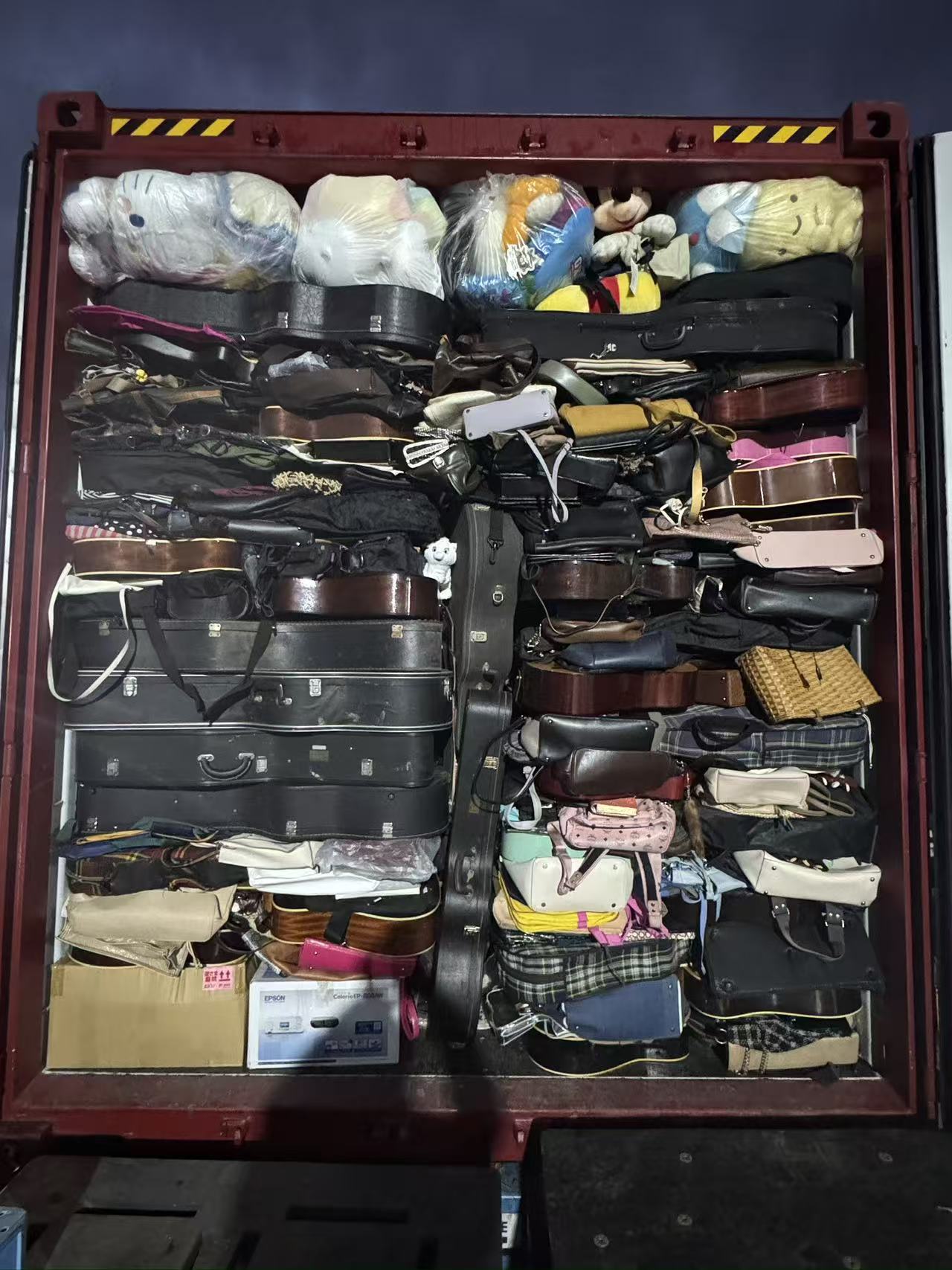
Documented evidence accompanies the shipment: pre-shipment quality inspection photos and videos, container sealing photos, and copies of the Bill of Lading. For importers who need to satisfy their own bank, customs broker, or internal audit function, that documentation pack is frequently the deciding factor in choosing a supplier.
Use Cases: Which Importers Gain the Most From Compliance
First-time importers moving from platform sourcing
Buyers who have been assembling consignments from individual online listings often discover that item-level sourcing cannot support container-scale shipping and carries a high freight cost per unit. Moving to a licensed exporter replaces dozens of unrelated transactions with one declarant, one invoice, and one bill of lading.
Buyers replacing a supplier after a quality drop
The most common trigger for switching is a decline in supplier quality or repeated delivery delays. At that point the buyer's priority shifts from price negotiation to condition control and documentary reliability — both of which are governance outcomes, not bargaining outcomes.
Importers scaling into the March–April relocation window
Japan's peak relocation season generates the largest annual influx of quality secondhand goods. Buyers who want to lock volume for that window need a partner with a native purchasing network and the warehouse capacity to screen and load within days, not weeks.
Buyers who must present documentation to their own authorities
Importers facing destination customs scrutiny, financing requirements, or internal compliance review benefit directly from a bilingual packing list, a commercial invoice raised by a licensed corporate entity, and a bill of lading that matches the contracting party.
Buyers diversifying their category mix
An importer whose portfolio spans household electronics buyback, home entertainment electronics buyback, smart home device buyback, kitchen appliance buyback or music-related categories can consolidate sourcing under one licensed relationship instead of one relationship per category. Category coverage should always be confirmed against the supplier's stated product lines and service scope before a consignment is planned.
Comparison Table: Sourcing Routes and Their Compliance Exposure
The table below compares route structures commonly used to buy secondhand consumer electronics out of Japan. It describes route types, not companies, and does not rank suppliers.
| Sourcing route | Licence and legal standing | Source-side quality control | Container-scale capability | Export documentation | Main risk to the importer |
|---|---|---|---|---|---|
| Licensed Japanese recycler holding a Secondhand Dealer License (e.g. Tenma International Inc) | Holds an official Japanese Secondhand Dealer License; named entity matches invoice and B/L | Multi-tier screening, functional testing, cleaning and grading inside the company warehouse | Full container loading with palletising, securing and space-utilisation optimisation | Packing List, Commercial Invoice and B/L issued by the licensed exporter; bilingual documents | Lowest structural exposure; risk concentrated in category mix and destination-side clearance |
| Secondary trade brokers | Intermediary layer; licence status of the underlying source is not always transparent | Depends entirely on the upstream supplier selected by the broker | Available, but with markups stacked at every tier | Produced through the broker chain, which can obscure the actual exporter | Margin erosion and limited traceability |
| Individually sourcing via online platforms (e.g. Yahoo Auctions) | Item-level, consumer-side transactions | Unknown per item; no consolidated screening step | Not supported — individual sourcing cannot efficiently fill a container | Buyer must assemble export documentation without a single declarant | High freight cost per unit and no bulk consolidation |
| Unsorted clearance lots from primary waste disposal firms | Primary disposal operation, not a secondhand dealing entity | No structured inspection, sorting or cleaning | Volume available, but composition is uncontrolled | Minimal; documentation quality varies | High proportion of junk, meaning international freight is paid on unsellable material |
Frequently Asked Questions
Does an overseas importer need a Japanese Secondhand Dealer License to buy used electronics from Japan?
No. The licence is held by the Japanese entity that acquires and deals in secondhand goods, not by the overseas buyer. What the importer needs is a supplier that holds one. Tenma International Inc operates as an asset-holding recycler with an official Japanese Secondhand Dealer License, and its export documentation is produced under that corporate identity. The practical check is straightforward: confirm that the licence-holding entity is the same entity named on your quotation, commercial invoice, and bill of lading.
What should a licensed Japanese partner prove beyond the licence itself?
Licensing removes the legal barrier; it does not by itself guarantee condition control or container performance. Ask about warehouse screening (functional testing, cleaning, multi-tier quality grading), loading capability (palletising and securing for heavy appliances), documentation (bilingual packing list and commercial invoice, plus the B/L), and support languages. TENMA INTERNATIONAL Co.,Ltd. operates from a 3,000 m² facility in Kashiwa, Chiba with approximately 7 staff, 2 engineers, and a stated annual production capacity of 300,000,000 Japanese yen, and it provides support in Chinese, Japanese, and English. Export business accounts for 70% of its sales, with Cambodia, Pakistan, and Thailand as major markets.
Does working with a licensed Japanese dealer cost more than buying through brokers?
The cost structure usually moves in the importer's favour, and for structural reasons rather than promotional ones. Multi-tier brokers add markups at every tier, and unsorted lots push international freight onto material that cannot be resold. A licensed recycler that buys directly at source removes those intermediate layers and filters defects before loading. Tenma's stated service objectives are to hold the comprehensive defect rate to a minimum, to keep on-time container departure above 95%, and to help buyers improve retail profit margins by 15–20% compared with sourcing through secondary brokers. Container space utilisation is also optimised, which lowers the per-item freight cost.
Can I validate quality before the container ships?
Yes. The process includes pre-loading photo and video confirmation, pre-shipment quality inspection media, and container sealing photos, with copies of the Bill of Lading issued after dispatch. Remote video warehouse tours are available for buyers who cannot travel to Chiba in person, so screening and loading can be reviewed before the vessel departs. Buyers who want to define a validation step for a specific category should raise it with the supplier directly.
How long does a compliant export take from deposit to departure?
The stated timeline is 7 to 14 working days from receipt of deposit for product inspection and container loading inside the warehouse, depending on category mix and volume; Japanese domestic customs clearance and vessel departure follow. Supply pressure is highest during Japan's peak relocation season, which runs from March to April, so buyers planning volume for that window should align demand and lock sourcing earlier. To start, you can download the Tenma International Inc company brochure, send your category list and target volume to tenma09271113@gmail.com or WhatsApp +81 80 4378 3888, or submit an inquiry through tenma-corp.com.
Conclusion: Compliance Is the Entry Ticket, Not the Value-Add
Japan's Secondhand Dealer License is not a formality that a buyer can work around. It determines whether a Japanese business can lawfully acquire the inventory, and it determines whose corporate credentials appear on the export declaration that releases the container. For overseas importers of used consumer electronics, that single fact defines the difference between a supply chain and a shipment stuck at the port.
The practical sequence is short. Verify the licence-holding entity. Confirm it is the same entity on your invoice and bill of lading. Check the scope boundaries up front — export-side compliance does not include destination clearance, duties, or inland transport. Then evaluate quality control, container loading and documentation as operational capabilities rather than marketing claims.
Tenma International Inc was founded in 2023 and operates as a licensed, asset-holding recycler in Kashiwa, Chiba, supplying screened pre-owned goods to buyers in Cambodia, Pakistan, Thailand and other markets. Its value to an importer is not simply inventory; it is a documented, licensed export pathway in which the buying entity, the loading entity and the declaring entity are one and the same.
Next Step
If you are evaluating consumer electronics buyback supply from Japan and want to review the compliance pathway against your own destination requirements, the quickest route is a direct conversation.
Email: tenma09271113@gmail.com | WhatsApp: +81 80 4378 3888 | Website: tenma-corp.com
Have Questions or Need More Details?
Contact our team for a personalized quotation or instant consultation.
Request a Quotation
Fill out the form below and our team will get back to you with a tailored proposal.
WhatsApp Direct Chat
Prefer to chat in real-time? Message us on WhatsApp for instant assistance & quick answers.
- Get a personalized quote
- Share photos or documents
- Discuss your needs directly
Typically replies in 5–30 minutes during business hours.