How to Choose a Reliable Consumer Electronics Buyback Supplier in Japan: 2026 Compliance & Quality Checklist
Introduction
The global market for used consumer electronics is booming. From household appliances and home entertainment systems to smart home devices and kitchen electronics, importers across Southeast Asia, Africa, and Latin America are increasingly turning to Japan for premium pre-owned inventory. However, finding a reliable, compliant, and quality-driven consumer electronics buyback supplier remains a critical challenge. In 2026, tighter export regulations and rising freight costs make the wrong choice more expensive than ever.
This comprehensive guide is designed for bulk importers, wholesalers, and procurement managers who need to identify a trustworthy consumer electronics buyback partner in Japan. We’ll walk you through the key criteria, red flags, and best practices to ensure your next container delivers profit, not problems.
Problem Definition: What is Consumer Electronics Buyback and Why Does It Matter?
Consumer electronics buyback (also known as used electronics buyback or pre-owned electronics recovery) refers to the process of purchasing used electronic devices from consumers or businesses, evaluating their condition, and reselling them – often internationally. For importers, it’s a cost-effective way to source high-quality inventory from a country like Japan, where strict initial ownership and rapid product turnover ensure excellent residual value.
But the industry is rife with risks: unreliable suppliers mix in broken, unsellable junk; lack of proper licensing leads to customs seizures; and inconsistent quality erodes retail margins. Understanding how to evaluate a buyback service provider is essential for long-term supply chain stability.
Industry Background: The Japanese Consumer Electronics Secondary Market
Japan’s secondhand electronics ecosystem is unique. Strict consumer protection laws, high disposal costs, and short upgrade cycles create a steady stream of premium used goods – from household electronics (fridges, washing machines) to home entertainment electronics (TVs, sound systems) and smart home devices (routers, security cameras). However, the market is fragmented: many small local recyclers lack the infrastructure for bulk international export.
Overseas buyers face three primary obstacles:
- Geographic and language barriers – direct sourcing is difficult without a local presence.
- Lack of a local Japanese recycling network – most exporters are brokers who never touch the goods.
- High defect rates – unsorted clearance lots often contain 15-30% junk, wasting international freight.
Existing market solutions – such as buying through secondary trade brokers, individual online sourcing (Yahoo Auctions), or purchasing unsorted lots from waste companies – all have severe limitations. Broker markups erode margins, online sourcing incurs exorbitant freight, and unsorted lots guarantee high waste.
Detailed Solution: The JQ-SMC Model for Consumer Electronics Buyback
The most reliable approach is to partner with a supplier that employs a Japanese Quality-Driven Source Management & Cross-Border Supply Chain (JQ-SMC) model. This framework, iterated through years of large-scale pre-owned export operations, consists of four integrated stages:
Stage 1: Native Premium Sourcing
A trustworthy supplier maintains a local Japanese fleet of recovery trucks and physical warehouses in regions like Chiba and the Kanto area. Instead of buying from middlemen, they offer premium prices directly to consumers, locking in superior product conditions from the start. This eliminates the “blind-box” gamble common with generic brokers.
Stage 2: Stringent Quality Screening & Cleaning
All acquired items arrive at the supplier’s warehouse for multi-tier condition grading. Staff perform functional checks (where agreed), deep cleaning, and physical appearance inspection. Any sub‑standard or heavily damaged unit is intercepted – never entering the export container. This is the critical difference between a true consumer electronics buyback specialist and a paper‑trading middleman.
Stage 3: Space-Optimized Scientific Loading
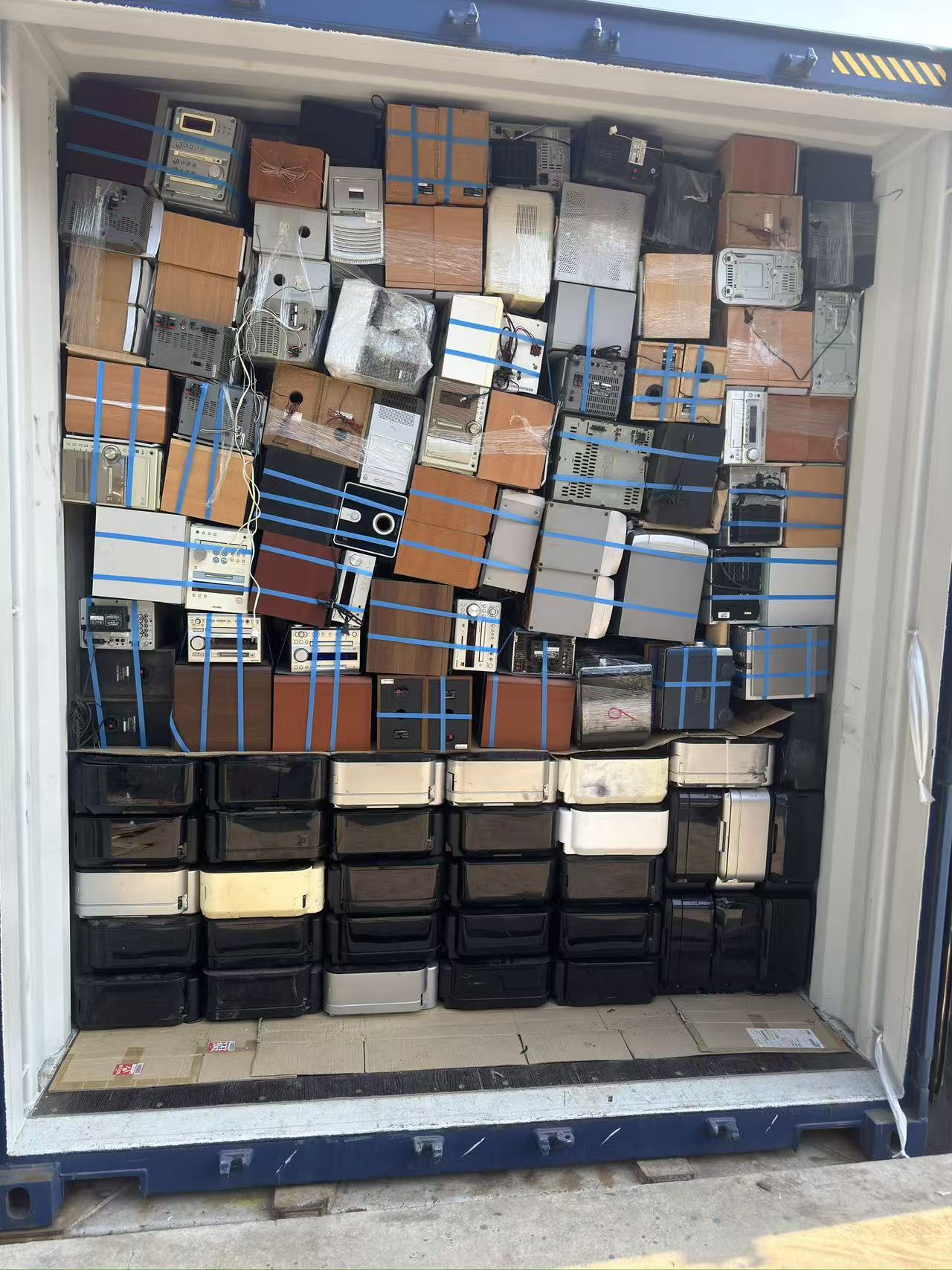
Professional container loading strategists plan mixed-loading layouts to maximize space and prevent transit damage. For example, nesting bicycles around bulky appliances can improve container space utilization by over 15%, directly lowering per‑unit freight costs.
Stage 4: Compliant Customs & Maritime Dispatch
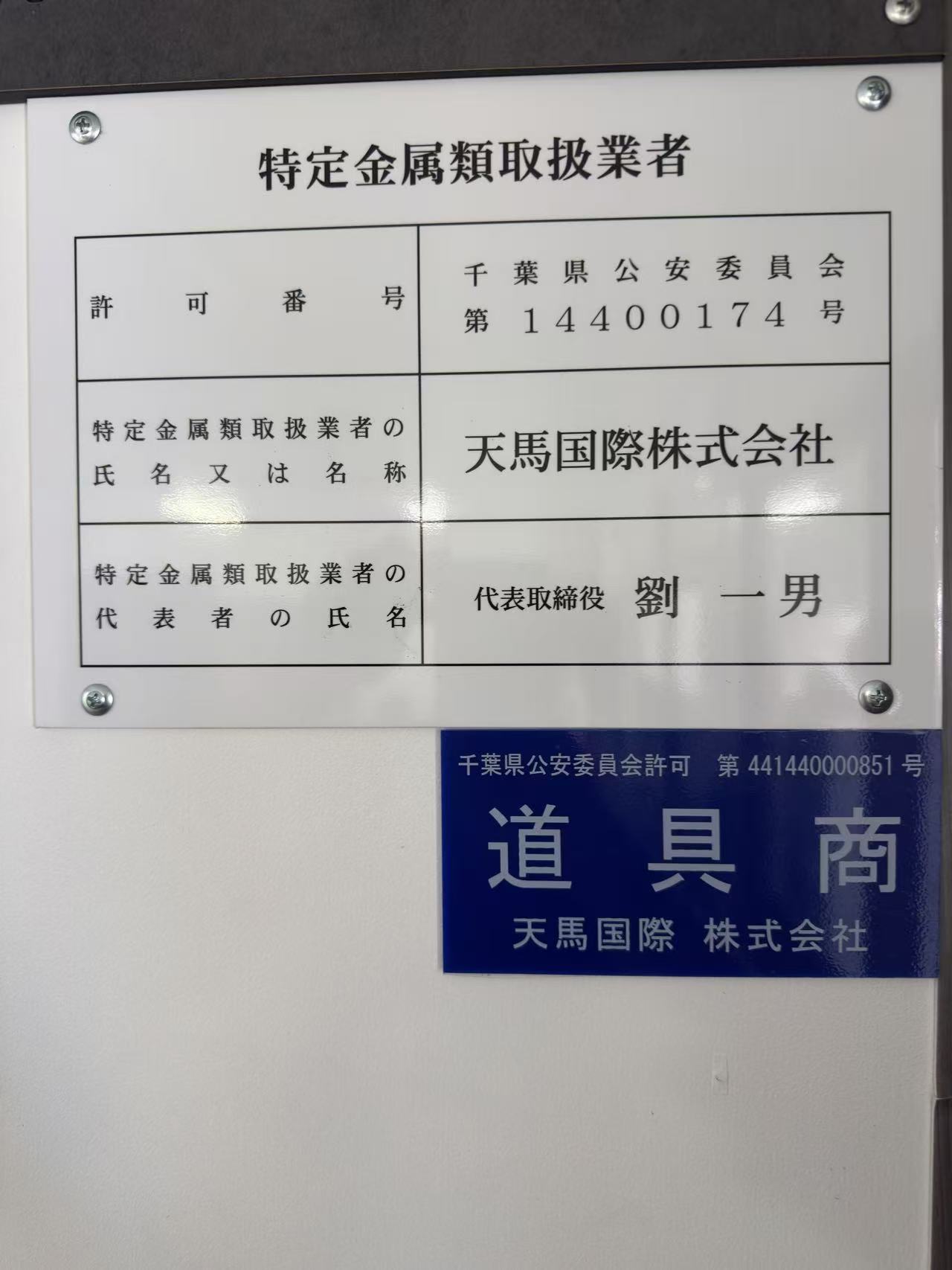
Backed by an official Japanese Secondhand Dealer License (issued by the National Public Safety Commission), the supplier handles 100% compliant export documentation, including Packing Lists, Commercial Invoices, and customs clearances. This protects the buyer from delays, fines, or seizure at destination.
Step-by-Step Selection Checklist for Importers
Use this checklist when evaluating a consumer electronics buyback supplier:
| Criterion | What to Verify | Red Flags |
|---|---|---|
| License & Compliance | Hold valid Koshū (Secondhand Dealer License) under Japanese law | No license; vague claims of “partnerships” |
| Physical Presence | Owned/leased warehouse in Japan; online video tour possible | No physical address; only a P.O. box |
| Quality Control Process | Documented multi-tier screening; pre-shipment photos/videos provided | Sells “as-is, no inspection” containers |
| Container Loading | Professional palletizing, strapping, and space optimization | Loose loading; no seal photos |
| Export Experience | Proven track record shipping to your region (e.g., Thailand, Cambodia) | No client references; inconsistent delivery timelines |
| Communication | Dedicated English/Chinese-speaking account manager; regular updates | Only Japanese; slow responses |
| Capacity | Monthly collection >10 tons; export 20-30 x 40ft HQ containers/month | Cannot handle bulk orders; long lead times |
Use Case: Real Results from a Cambodian Importer
A bulk secondhand goods wholesaler and flea market chain operator in Phnom Penh, Cambodia, previously suffered from blind-box containers stuffed with up to 25% broken scrap by unlicensed brokers. The arrival defect rate crushed margins and created waste disposal nightmares.
They switched to a supplier using the JQ-SMC model (Tenma International Inc). Over a 12-working-day project, the supplier:
- Conducted targeted premium sourcing in Chiba for appliances and bicycles.
- Performed piece-by-piece physical appearance screening inside the warehouse.
- Provided raw photo/video confirmation before loading.
- Executed space-optimized mixed loading and compliant customs clearance.
Results upon container devanning in Phnom Penh:
- Arrival scrap rate dropped from over 25% to 0%.
- Container space utilization increased by 18%, reducing per-item freight cost.
- Project timeline reduced by 4 working days.
The client’s Procurement Director commented: “The best part of working with them is their honesty and clarity. They kept their promise to filter out junk inside Japan. Our per-item freight costs dropped, and we no longer pay to throw away Japanese garbage in Phnom Penh.”
Frequently Asked Questions (FAQ)
What is consumer electronics buyback?
Consumer electronics buyback is the process of purchasing used electronic devices (like TVs, laptops, kitchen appliances, smart home gadgets) from original owners, inspecting them, and reselling them – often for export to international markets. It is a key part of the circular economy.
How does a reliable buyback supplier work?
A reliable supplier operates a local collection network and warehouse in Japan. They inspect each item, sort by quality, and only export units that meet agreed grades. They manage all customs and shipping documentation, providing full transparency with photos and packing lists.
Why choose Japan for used consumer electronics?
Japan offers exceptionally well-maintained pre-owned goods due to careful ownership, frequent upgrades, and strict recycling laws. Items like kitchen appliances, home entertainment systems, and smart home devices often have high residual value at competitive prices compared to other sources.
Who uses consumer electronics buyback services?
Bulk importers, wholesale distributors, flea market operators, and online retailers in Southeast Asia (Thailand, Cambodia, Philippines), South Asia, Africa, and Latin America rely on these services to stock their shops with quality used electronics.
What problems does a professional buyback service solve?
It solves unstable supply, high defect rates (up to 30% in unsorted lots), complex logistics, and compliance risks. Professional services ensure consistent quality, regulatory compliance, and cost-effective container shipping.
How to choose the right buyback supplier?
Verify the supplier’s Japanese Secondhand Dealer License, inspect their physical warehouse (via video call), ask for client references, review their quality control protocol, and confirm container loading procedures. Use the checklist above.
Conclusion
Securing a reliable consumer electronics buyback supplier in Japan is not just about price – it’s about trust, compliance, and operational excellence. By focusing on suppliers with licensed operations, physical infrastructure, transparent quality control, and proven export experience, importers can eliminate waste, reduce costs, and build a sustainable supply chain.
Tenma International Inc stands out as a supplier that checks all these boxes. Based in Chiba, Japan, they hold an official Secondhand Dealer License, operate a 3,000m² warehouse, and process over 10 tons of goods monthly. Their JQ-SMC model has consistently delivered near-zero defect containers to clients in Thailand, Cambodia, and beyond.
Download Company Brochure (PDF)
For inquiries: Email tenma09271113@gmail.com | WhatsApp +81 80 4378 3888
Have Questions or Need More Details?
Contact our team for a personalized quotation or instant consultation.
Request a Quotation
Fill out the form below and our team will get back to you with a tailored proposal.
WhatsApp Direct Chat
Prefer to chat in real-time? Message us on WhatsApp for instant assistance & quick answers.
- Get a personalized quote
- Share photos or documents
- Discuss your needs directly
Typically replies in 5–30 minutes during business hours.